


An explainer of the benefits of exercise for kids in school
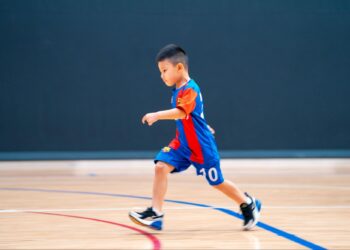
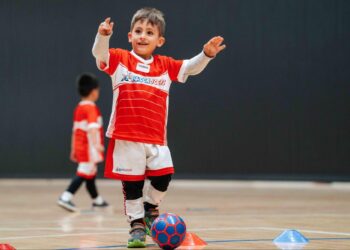
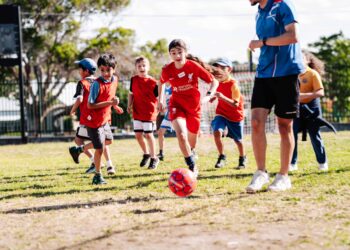
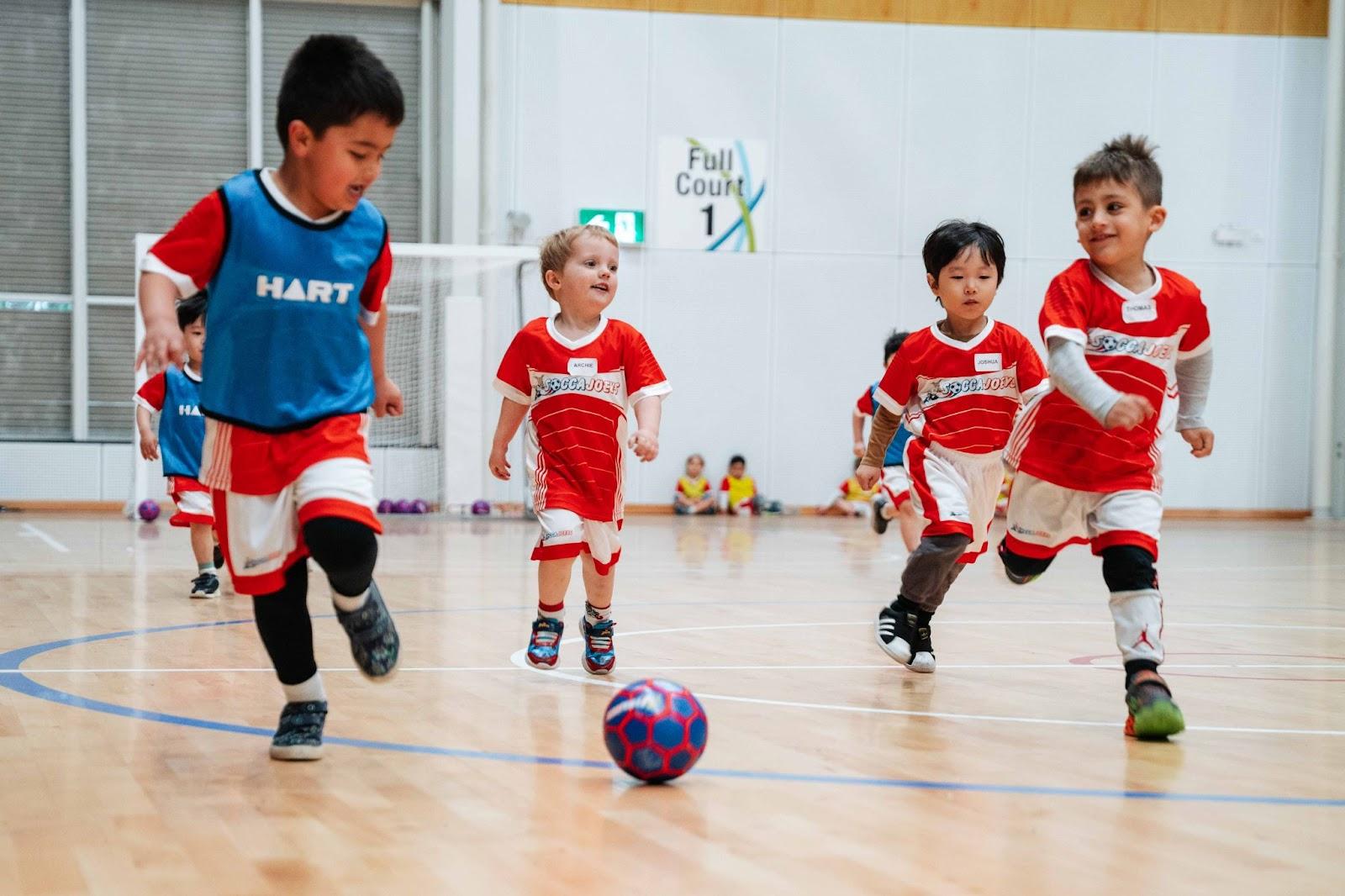
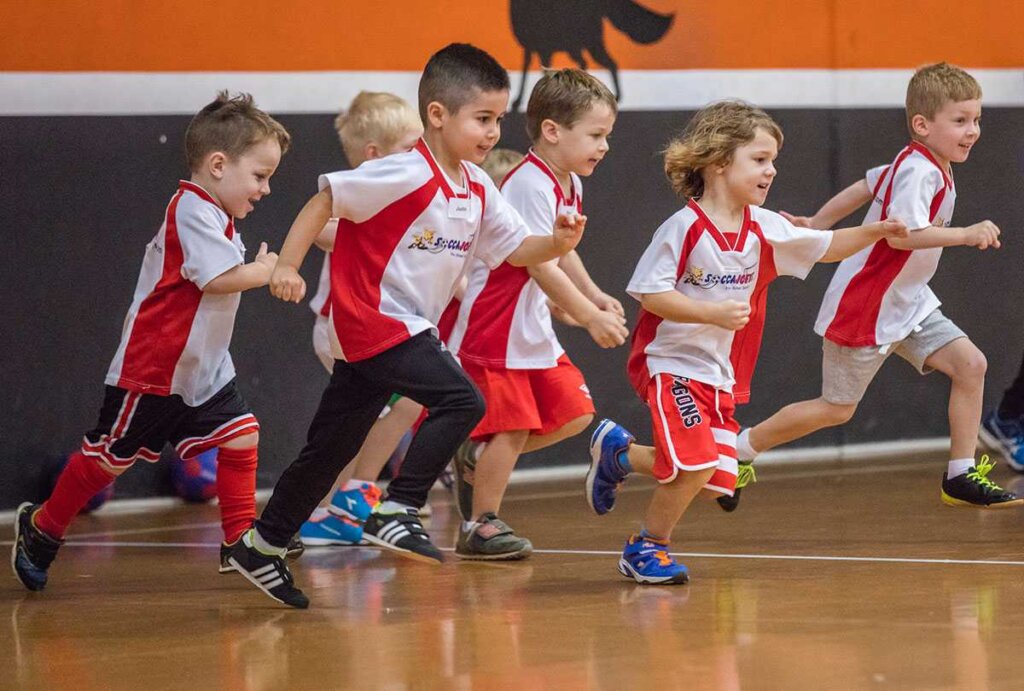
There’s a moment every parent at Soccajoeys knows well. Your child comes off the pitch – red-cheeked, slightly breathless, eyes wide – and they’re on. Chatty. Sharp. Ready to take on the world, or at least their homework.
That’s not just the endorphins talking. That’s your child’s brain doing exactly what it was built to do.
Science has spent the last few decades catching up to what kids have always known instinctively: moving isn’t a break from learning. Moving is learning. Here’s what the research actually says – and why it matters for your little one’s development from day one on the soccer field.
What happens in the brain when kids move?
So why is exercise important for kids beyond the obvious physical health benefits? When a child runs, kicks, jumps, and changes direction – the kind of full-body activity that makes up a typical kids soccer session at Soccajoeys – their brain goes through a series of changes that are directly linked to how well they think, focus, and learn.
The most significant of these is the release of a protein called BDNF (Brain-Derived Neurotrophic Factor). It’s widely described in neuroscience research as something like fertiliser for the brain – it encourages brain cells to grow, strengthen their connections, and communicate more effectively. The hippocampus, the part of the brain that handles memory and learning, is particularly responsive to it.
Put simply: aerobic exercise – the kind that gets the heart rate up and the legs moving – creates the biological conditions in which learning sticks better.
On top of that, physical activity triggers the release of dopamine, serotonin and norepinephrine. These are the neurotransmitters behind focus, mood regulation and motivation. The same chemicals that certain medications try to boost in children with attention difficulties are released naturally and reliably through exercise.
So when your four-year-old sprints after a ball for 45 minutes and then comes home and actually sits down to eat dinner without a meltdown, there’s solid biology behind that too.
Aerobic exercise specifically – why it matters most for brain development
The aerobic exercise benefits for children’s brain development are well-documented and not all movement is created equal when it comes to brain health. The research consistently points to aerobic exercise – sustained activity that raises the heart rate – as having the most significant impact on cognitive development.
Studies using brain imaging have found that children who are regularly aerobically fit have measurably larger volumes in parts of the brain responsible for memory, attention and decision-making. These aren’t small differences. They’re structural changes in the developing brain.
Aerobic exercise also improves what researchers call executive function – the cluster of mental skills that includes working memory, the ability to focus, the ability to switch between tasks, and the ability to control impulses. These are the same skills children rely on every single day in a classroom. Sitting still, following multi-step instructions, not blurting out the answer, staying on task – all of it draws on executive function.
For comparison, activities like stretching or low-intensity play have general wellbeing benefits, and fine motor activities like drawing support their own areas of development. But for the specific cognitive gains linked to brain structure and academic readiness, aerobic activity is where the evidence is strongest.
Soccer – real running, turning, tracking, reacting – is aerobic exercise for preschoolers dressed up as the best thing they’ve ever done on a Saturday morning.
The transformative effects of exercise on the brain: focus, energy and on-task behaviour
Parents often notice the immediate effects of exercise on their kids’ focus and energy levels. Research backs this up, and then some.
Studies on classroom-based physical activity in Australian primary schools have consistently found that children show better on-task behaviour and concentration following physical activity – not just during it. The effect doesn’t kick in mid-run; it kicks in after, when the brain’s chemistry has had a chance to settle into its post-exercise state. The sharpness that follows a good session is real, and it typically lasts for a meaningful window of time.
One of the largest Australian programs studying this – Deakin University’s TransformUs, which has been running in Victorian and now national primary schools for over 15 years – found that teachers reported students showed greater concentration after active lessons. The program is built around the evidence that movement during the school day improves both engagement and learning outcomes, not at the expense of curriculum time, but as a vehicle for it.
This is the part of the research that most surprises parents who’ve been conditioned to think of exercise and learning as separate things. The brain doesn’t compartmentalise the way school timetables do. Movement before or during learning makes the learning work better. Full stop.
For preschool and early primary kids specifically, this effect is even more pronounced – because the brain is at its most plastic and responsive to experience during these years. The habits formed now, and the brain development that happens now, set the architecture for everything that comes later.
According to kids exercise guidelines: how much exercise do Australian kids actually need?
Australia’s official guidelines recommend that children aged 3 to 5 years should be physically active for at least three hours every day, across a range of activities, with some of that being energetic play. For children aged 5 to 12, the recommendation is at least 60 minutes of moderate to vigorous physical activity every day.
Those numbers are worth sitting with for a moment.
The reality, according to the Australian Institute of Health and Welfare, is that the vast majority of Australian children are not meeting these guidelines – particularly as they get older. By the time kids hit the upper end of primary school, their activity levels have typically dropped significantly from where they were at age five or six.
This matters not just for physical health, but because the brain benefits of exercise aren’t a one-off event. They’re cumulative. Consistent, regular movement over time is what builds the kinds of structural brain changes that support learning in the long run.
One Soccajoeys session a week is a great start and a reliable anchor in the week. But the research is pretty clear that it works best as part of a broader pattern of daily movement – backyard kicking, walking to the park, chasing the dog, whatever it looks like for your family.
So why aren’t kids moving enough? The real barriers
If exercise is this good for kids’ brains, why are we still losing the battle against sedentary behaviour?
The honest answer is that the barriers are structural, not personal. It’s not that parents don’t care or that kids are lazy. It’s that the daily environment most Australian children grow up in doesn’t make movement the default.
Screen time and sedentary entertainment have become the easiest fallback for downtime – and they’re genuinely compelling. They’re not going anywhere, and it’s not useful to pretend otherwise.
Over-scheduled family lives make it hard to fit consistent activity into the week. After school, after childcare, after the commute, after dinner – the energy for organising outdoor play often isn’t there.
Reduced unstructured outdoor time is a real change from even a generation ago. The free-range afternoons that provided incidental physical activity for previous generations of kids have largely disappeared, for a combination of safety concerns, smaller outdoor spaces and busier roads.
Declining confidence in movement skills is also a factor that doesn’t get enough airtime. Research shows that children who don’t feel competent at movement activities tend to avoid them – and that confidence is built early. Kids who don’t develop basic movement skills by the time they start school are less likely to participate in physical activity throughout childhood. This is one of the reasons early, positive experiences with sport and movement matter so much.
This is why it’s important to foster the habit of regular exercise while kids are young. The brain benefits of physical activity are cumulative, the movement habits formed in childhood tend to stick, and the confidence built at age four has a long reach. Waiting until school sport or organised competition kicks in later means missing the window when it matters most.
Soccajoeys is designed specifically for this window – preschool through early primary – when movement confidence is being formed and when a positive association with being active can last a very long time. A four-year-old who loves chasing a ball and feels good at it is more likely to grow into one of those active kids who carries movement habits into their teen years and beyond.
Aerobic exercise and brain health: what makes soccer especially well-suited
Not all sports land the same way for young kids, and it’s worth being specific about why soccer – and structured soccer programs at the right developmental stage – does what it does for the brain.
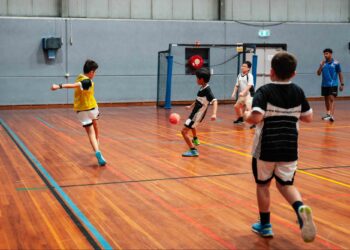
It’s continuous and aerobic. A Soccajoeys session isn’t stop-start the way some structured sports activities for young kids are. Kids are moving, chasing, reacting and working hard for most of the session. That sustained effort is what drives the neurological benefits.
It involves complex coordination and decision-making. Running, tracking a ball, anticipating movement, adjusting body position – these activities engage the cerebellum, the motor cortex and the prefrontal cortex simultaneously. The cognitive load of coordinating movement with decision-making is itself a form of brain training.
It’s social. The research on children’s cognitive development is clear that social engagement enhances learning. The turn-taking, communication, reading of other kids’ movements, and shared excitement of a group soccer session all layer additional cognitive engagement on top of the physical benefits.
It builds movement confidence early. As noted above, the window from about age 3 to 8 is when fundamental movement skills are established – and when a positive relationship with sport and physical activity is formed. Getting this right early has compounding effects.
The practical takeaway for parents
…Active Kids are Smarter Kids
The science here isn’t complicated to act on. Kids need to move every day, and the movement needs to include aerobic activity that genuinely gets the heart rate up. The brain benefits are real, significant, and relevant to everything from focus in class to emotional regulation at home.
A weekly Soccajoeys session gives your child an anchor of structured, high-quality aerobic activity with trained coaches in a safe, age-appropriate environment. It builds coordination, confidence and the kind of positive movement habits that last.
But the brief is bigger than once a week. The daily goal for a primary school aged child is 60 minutes of vigorous movement – and the more of that you can weave into the ordinary fabric of the day, the more your child’s brain benefits.
Fun ways for kids to exercise are everywhere if you look — kick a ball in the backyard before dinner, walk to the park on the weekend, give them time and space to run around at recess without guilt that they’re missing study time. The research is firmly on the side of movement.
And if they come home from Soccajoeys sharp, chatty and suspiciously willing to try their reading – now you know exactly why.
Soccajoeys runs structured soccer programs for children aged 2.5 to 11 years across Australia. Find your nearest program at Soccajoeys.