Franchise territories open across Queensland
Start a kids
soccer franchise
in Queensland
Eighteen-plus years, one simple idea: turn motivated people into confident business owners
- No soccer or business background required
- Mobile model, so no lease, no fitout, no fixed premises
- Exclusive territory, allocated first come, first served
300+
Locations nationwide
1 Million+
Kids registered since 2008
Is your Queensland suburb still open?
Tell us where you live and the franchise team will check which Queensland territories are still on offer.
Loading the form…
We will only use your details to discuss franchise opportunities. No obligation, and no pressure.
Never coached before?
You don't need to. Five days of onboarding covers the coaching and the business.
Worried about the cost?
No premises or fitout, and you see every figure, fees included, before you commit.
Own a Soccajoeys franchise, Australia's trusted name in children's sports programs
No state in Australia is adding families faster than Queensland right now, and most of them are heading for Brisbane, the Gold Coast or the Sunshine Coast, chasing space, affordability and a lifestyle built around being outdoors. For a Soccajoeys franchisee, that same climate means twelve months of operating weather and nothing resembling a winter shutdown.
Curious what owning a Soccajoeys kids soccer franchise in Queensland actually involves? Grab some shade and a cold drink. Let's talk it through.

Strong growth
1 Million+
Children registered since 2008
Extensive network
300+
Locations nationwide, and now across Queensland
High retention rates
85%
Of children transition to the next program level

Happy parents
95%
Of parents would recommend Soccajoeys

18+
years operating since 2008
10+
programs and counting
2.5 to 11
years of age
12 months
of outdoor operating weather
What is involved
Our franchisees run the sessions. They are not silent investors.
What nobody tells you upfront is how hands-on it stays. You are either coaching the session yourself or standing close enough to the coach who is, which means you learn fast which kid needs five quiet minutes before kickoff, and which parent on the sideline will bring you three new families if you simply ask. That closeness to the product is the whole point, and it is also why this will not suit everyone.
Forget the résumé. What actually predicts success here is drive, a genuine liking of children, and the discipline to run someone else's system instead of inventing your own. Teachers have done it. So have tradies, footballers and corporate managers who swapped a desk for a sideline, and parents who moved to Queensland for exactly this kind of change. The same door is open to you.
Commitment
A 12-month operating season with no off-season. Term time is your rhythm, and the first two terms are the hardest.
Local leadership
New schools open, childcare centres fill, and P&C committees form before the suburb even has a name people recognise. Being the person who shows up first is the growth lever in territory like this.
Coachability
Eighteen years of adjustments, mistakes and fixes already sit inside the curriculum, so you are not guessing session to session. The job is to run it as written, not freelance your own version.
Financial readiness
Compared with most franchise categories, the entry cost is modest, and every figure behind it is open to you before you sign. We would rather lose an applicant here than sign one who never saw the full picture.
Why Queensland
The state everyone else is moving to
Drive through any new Queensland estate and the pattern is obvious before a single statistic confirms it: parks, display homes, and young families, with almost nothing yet built for children under six. Services always lag the people who need them, and right now in Queensland that lag is wide open.
The scale of it shows up in the migration figures: more people move to Queensland from interstate than to any other state, year after year, mostly families leaving Sydney and Melbourne for housing they can afford and a climate that turns outdoor activity into a daily habit rather than a weekend plan. For a franchise, that climate also means a 12-month season instead of a winter break, which no southern territory gets.

The growth corridors
Yarrabilba, Ripley Valley and Greater Flagstone did not exist as suburbs a decade ago. Thousands of young families live in them now, and almost none of the usual activity providers have caught up.

Gold Coast
More than 690,000 people call it home already, and the fringe keeps pushing outward through Coomera and Pimpama faster than community infrastructure can be planned for.

Sunshine Coast
No region in the country is pulling in more internal migrants right now. Caloundra, Maroochydore and Buderim are filling with exactly the households a Minis program is built for.

Brisbane
From Chermside to Mount Gravatt to Springfield in the west, Brisbane's established suburbs still carry more demand for early-years sport than there are structured programs to meet it.
The curriculum difference
Queensland already has kids soccer operators. Here is what sets Soccajoeys apart.
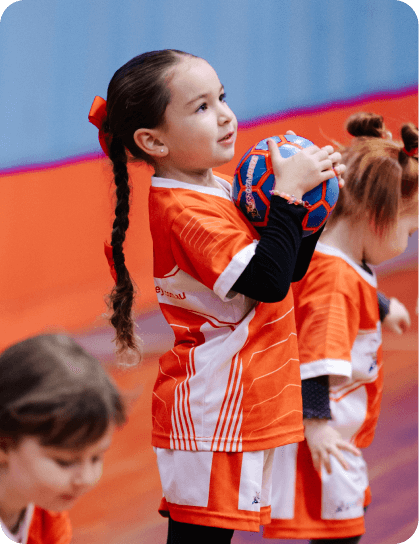
Most kids-soccer operators in this state, Grasshopper Soccer among them, are coaching businesses: they teach dribbling, passing and how to play the game. That is a perfectly good product. It is also not what Soccajoeys sells.
Ours is a childhood development curriculum, written by specialists in that field, that uses a ball to build motor skills, social confidence, emotional resilience and cognitive growth in children too young to care about the scoreline. Parents notice the difference once it is pointed out to them, which is a large part of why 95% would recommend us nationally and 85% of children move up to the next program level.
A large enough market
A competitor operating nearby is evidence of demand, not a locked door. Large stretches of Queensland, especially its newest suburbs, still have no structured program for children under six at all.
A recognised national brand
Walk into a school or childcare centre with 1,000,000+ national registrations and 300+ locations behind you, and the conversation does not start from zero.
A multi-program revenue model
A coaching-only competitor lives or dies on a single offer. Soccajoeys franchisees run ten or more programs across terms, holidays, schools and parties, so no one season carries the whole business.
Franchise success stories
Meet some of the people already doing it
A classroom, a corporate office, a kitchen table with toddlers underfoot: that is where each of these franchisees started, not a soccer pitch. Here is what running a Soccajoeys territory changed for them.
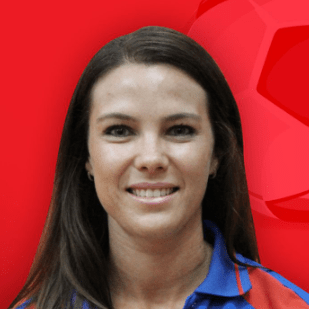
Meet Karlee
Franchisee owner and mother of two
With two children at home, Karlee knew exactly how hard the juggle of school runs, work and family activities had become. What drew her to Soccajoeys was not the soccer. It was a business she could shape around the school bell instead of the other way around.
She chose Soccajoeys for the flexibility it gives her as both a mother and a business owner.

Meet Jon
Franchisee owner, North Shore
Jon left the corporate world and felt the difference almost immediately: more motivation, more energy, more enthusiasm for a Monday. Everything he had been told during the discovery process about support, systems and program quality turned out to be true, and it showed in the numbers.
He reached 200 children within his first four months of operation.
What he talks about now is the network. A group of franchisees who are driven to succeed and to make a real difference to kids in their own communities.
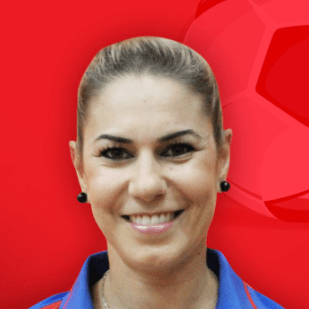
Meet Dimi
Franchisee owner, mother, and half of a husband and wife team
Dimi and her husband started their franchise with two young children of their own. As a professional working mother she knew time management would make or break it. What shortened the learning curve was the rest of the network: other franchisees handing over what had already worked for them, so the couple did not have to learn it the expensive way.
Her franchise lets her make time for her family while keeping the next generation active.

Meet Shane
Early childhood teacher, football coach and franchisee, Newcastle
Shane spent years as a qualified early childhood teacher and spent his other hours developing junior players with the Newcastle Jets. For most of that time the two passions lived in separate parts of the week. A Soccajoeys franchise was the first thing that let him do both at once, and get paid for it as a business owner rather than an employee.
“I get to combine my passion for football, while running my own business that suits my family and lifestyle.”

Meet our founder
A sideline, a three year old, and a ball that was never passed to her
Every weekend in 2007, Stacy Alogdellis watched the same scene play out at grassroots matches: a younger brother or sister standing at the fence, desperate to get on the field, with nothing built for someone their age. Years as both a professional footballer and a small business owner turned out to be exactly the combination needed to solve it.
That gap became Soccajoeys. Close to two decades and more than a million child registrations later, the brief has not changed: programs that genuinely develop each child, run inside a business that genuinely supports the people delivering them.
More than a business
The sessions no one gets invoiced for
Ask any Soccajoeys franchisee about the first free session they ran for a child with a disability, and you will get the long version of the story, usually with that child's name still attached to it. Most of those kids have never taken part in a team sport before.
Those sessions exist because Soccajoeys partners with the Next Step Foundation, which funds free soccer programs specifically so children with disabilities can play. Franchisees deliver them locally, in their own territory, for families who are often their own neighbours.
Multiple sources of revenue
How a Soccajoeys franchise in Queensland makes money
There is no winter to plan around here, and that changes the shape of every revenue line below. With no lease, no fitout and no fixed premises to begin with, Queensland's climate simply lets each stream run longer.
01
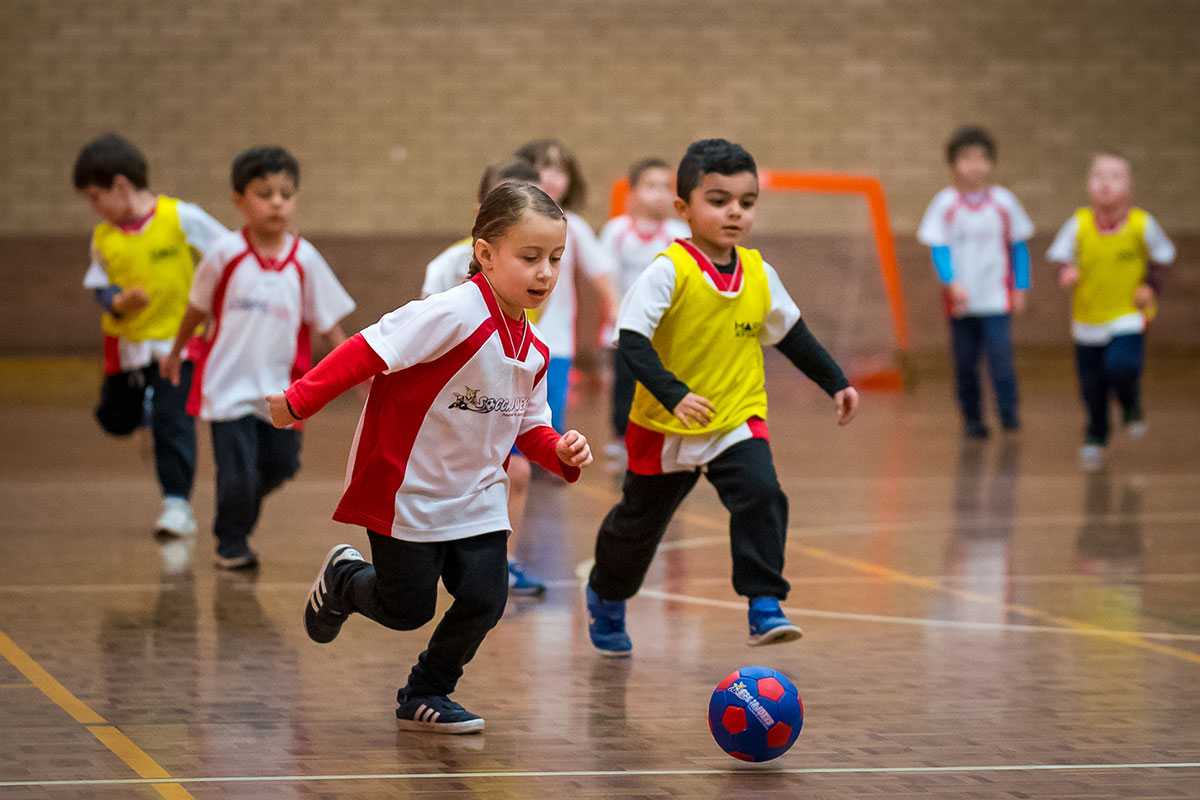
Term programs
Weekly Minis, Junior and Premier sessions fill the term calendar outdoors, in local parks, every week of the year. An 85% transition rate between levels means this base compounds rather than resets each term.

02
Schools and childcare
With one of the country's largest school networks, Queensland has no shortage of schools actively looking for an external provider to run curriculum sport time, turning weekdays into revenue that funds the weekend programs.
03
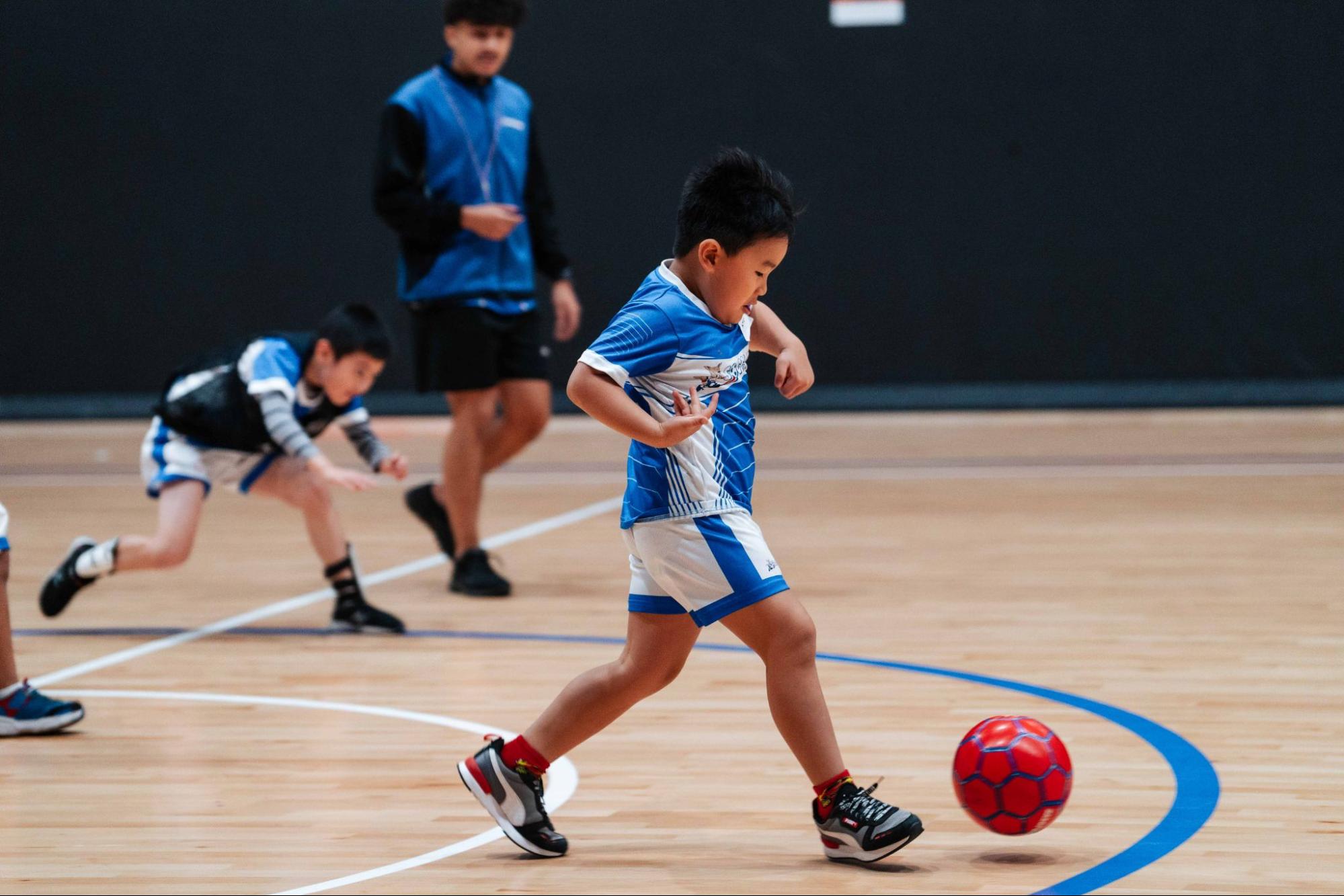
Holiday camps
The December to January summer break runs longer here than in any southern state, and that stretch alone turns holiday camps into one of the highest-revenue periods on the calendar.
04
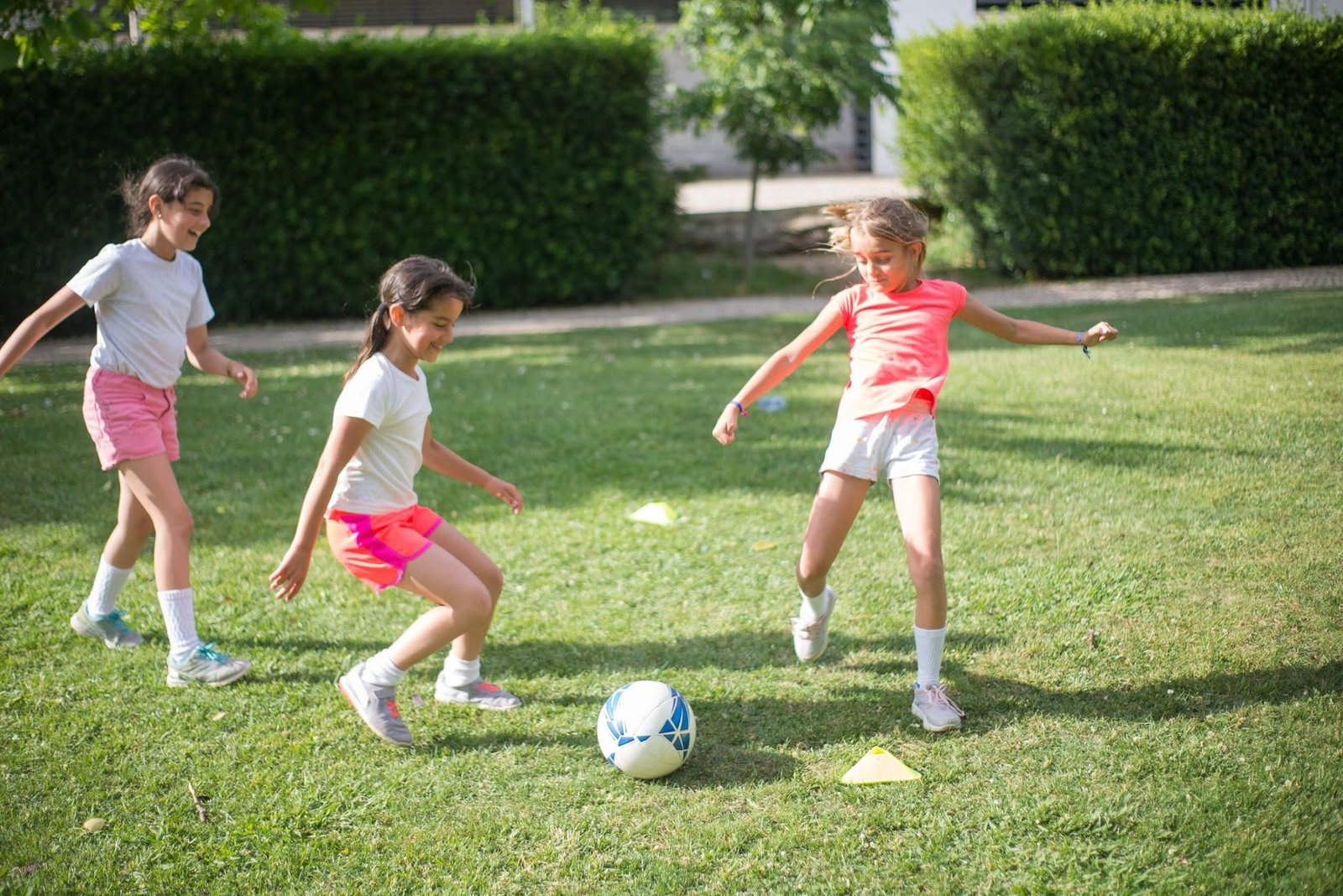
Parties, community and council events
Local councils across Queensland regularly commission children's activity providers for festivals and family days, and an outdoor birthday party needs little more than a park and good weather, both in steady supply here.
A day in the life
Three sessions. Four hours. Done before the heat of the day.
The trick in Queensland is timing, not venue: sessions sit in the cooler windows of the day, morning and late afternoon, with shaded corners of the park kept in reserve for the hotter months. Here is what a Saturday looks like in a Brisbane fringe territory.
And midweek
A school partnership session Tuesday afternoon. A childcare visit Wednesday morning. Junior at a Springfield park on Thursday. Admin, marketing and community outreach fill the gaps.
No winter venue swap: unlike southern states, your training covers heat management, not indoor contingency planning, so the calendar stays outdoors every week of the year.
8:00
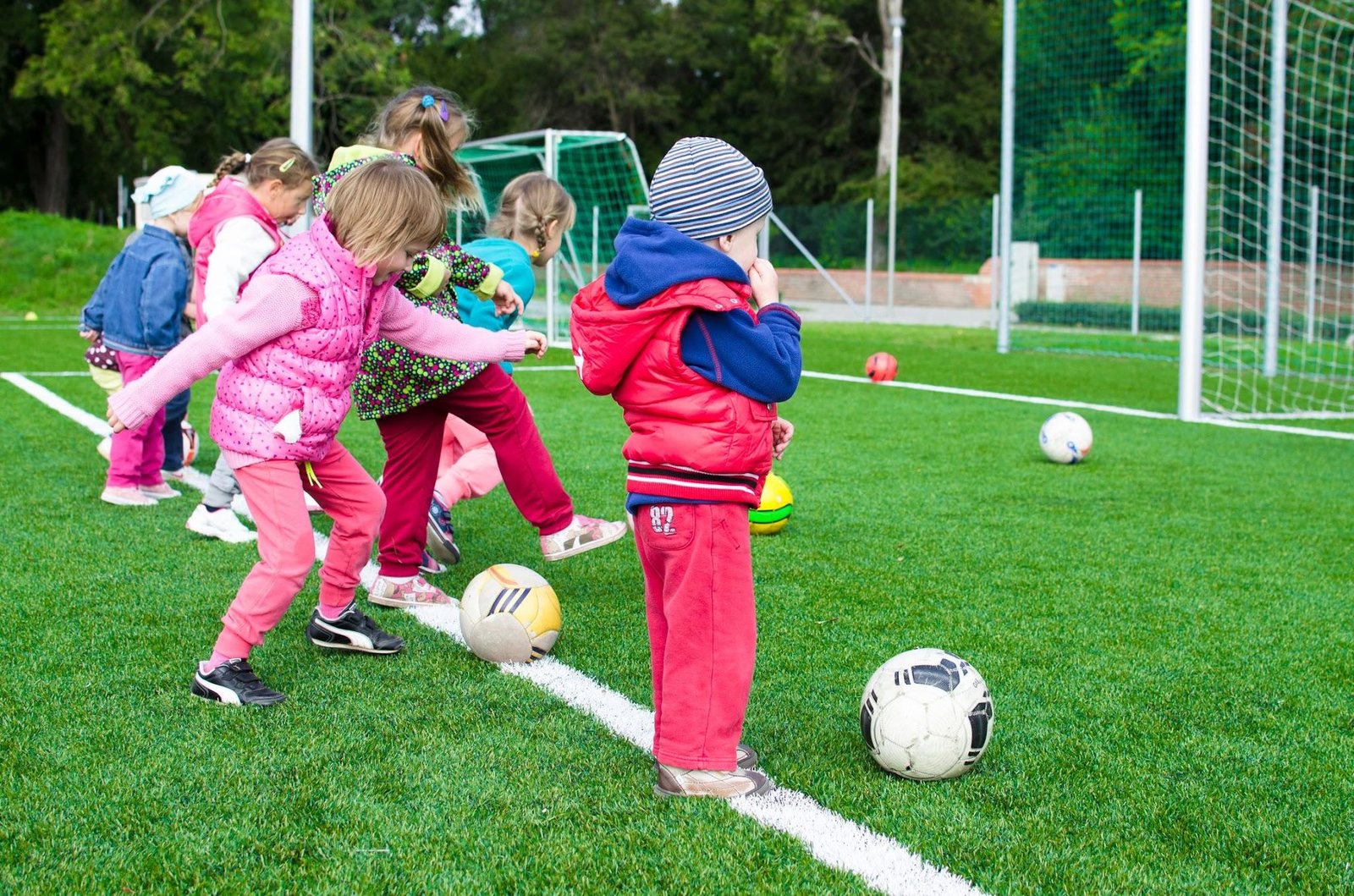
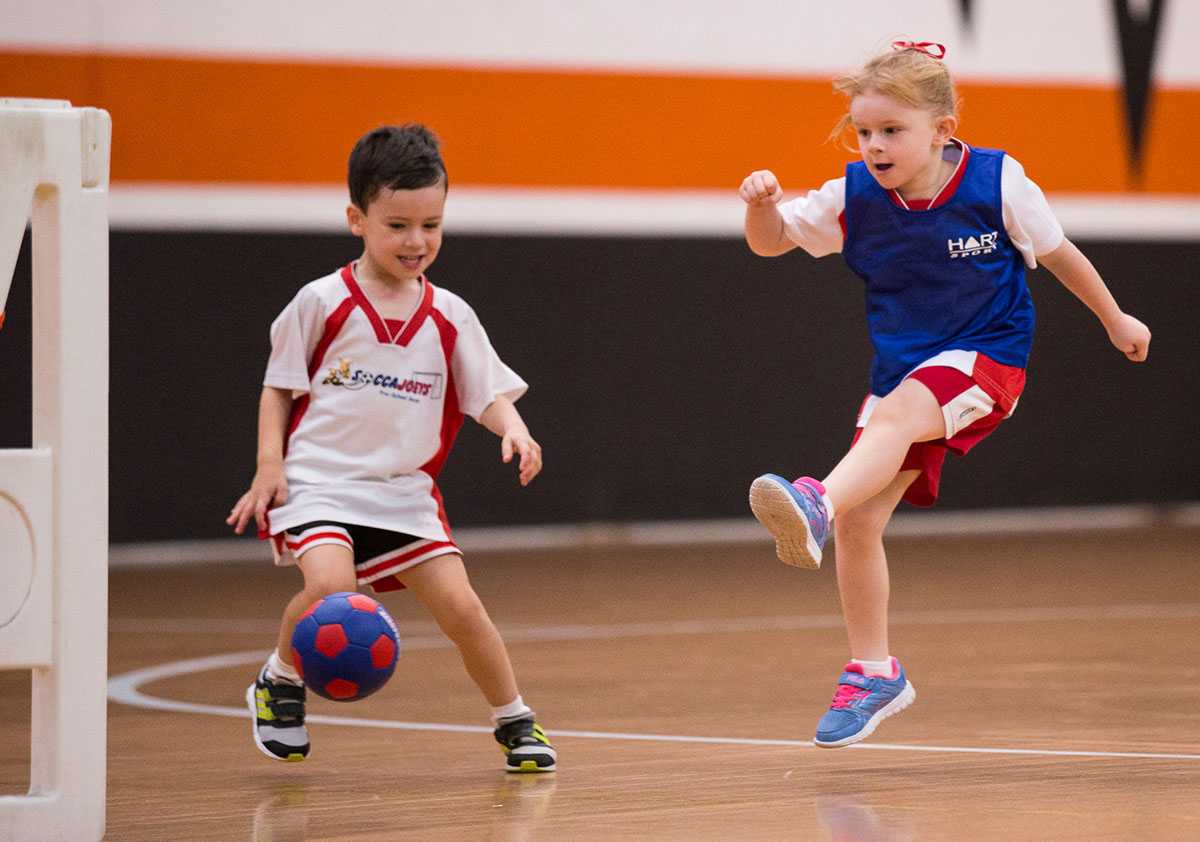
Minis at a Springfield park
An early start beats the heat. Parents set up camp chairs, siblings play nearby, and the 30-minute session runs to your curriculum.
9:15
Junior at an Ipswich community centre
Ten minutes down the road, packed up and set up with time to spare.

10:30
Premier session
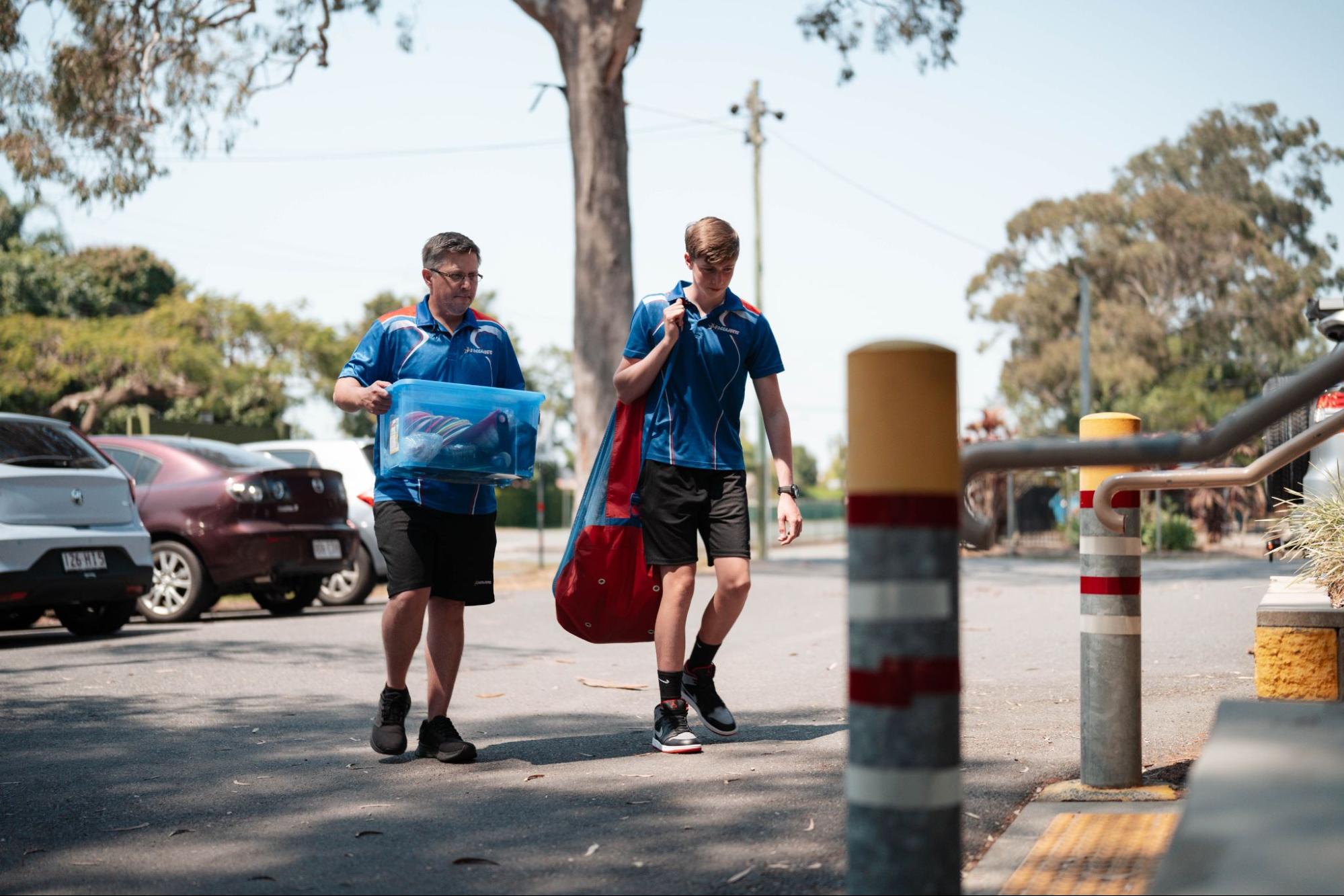
The oldest group rounds out the morning with small-sided games and skills work.
11:30
Done for the day
Three revenue-generating programs delivered in under four hours, finished well before the midday sun. The rest of the weekend belongs to your own family.
Low cost of entry
Invest with confidence, and nothing hidden before you sign
No retail premises, no complex equipment, no large payroll to carry from day one, and before you sign anything you get full access to the numbers, including time with franchisees already running their own territories.
No premises
No lease, no fitout and no commercial rent to carry
9 to 18 months
Typical return on investment
What your franchise includes
- Access to the complete, quarterly-updated Soccajoeys curriculum
- An exclusive licence over the Queensland zone you choose
- Five days of hands-on onboarding covering coaching, business and marketing
- A launch marketing package built specifically around your territory
- Parent-facing enrolment and communications platforms, ready to use
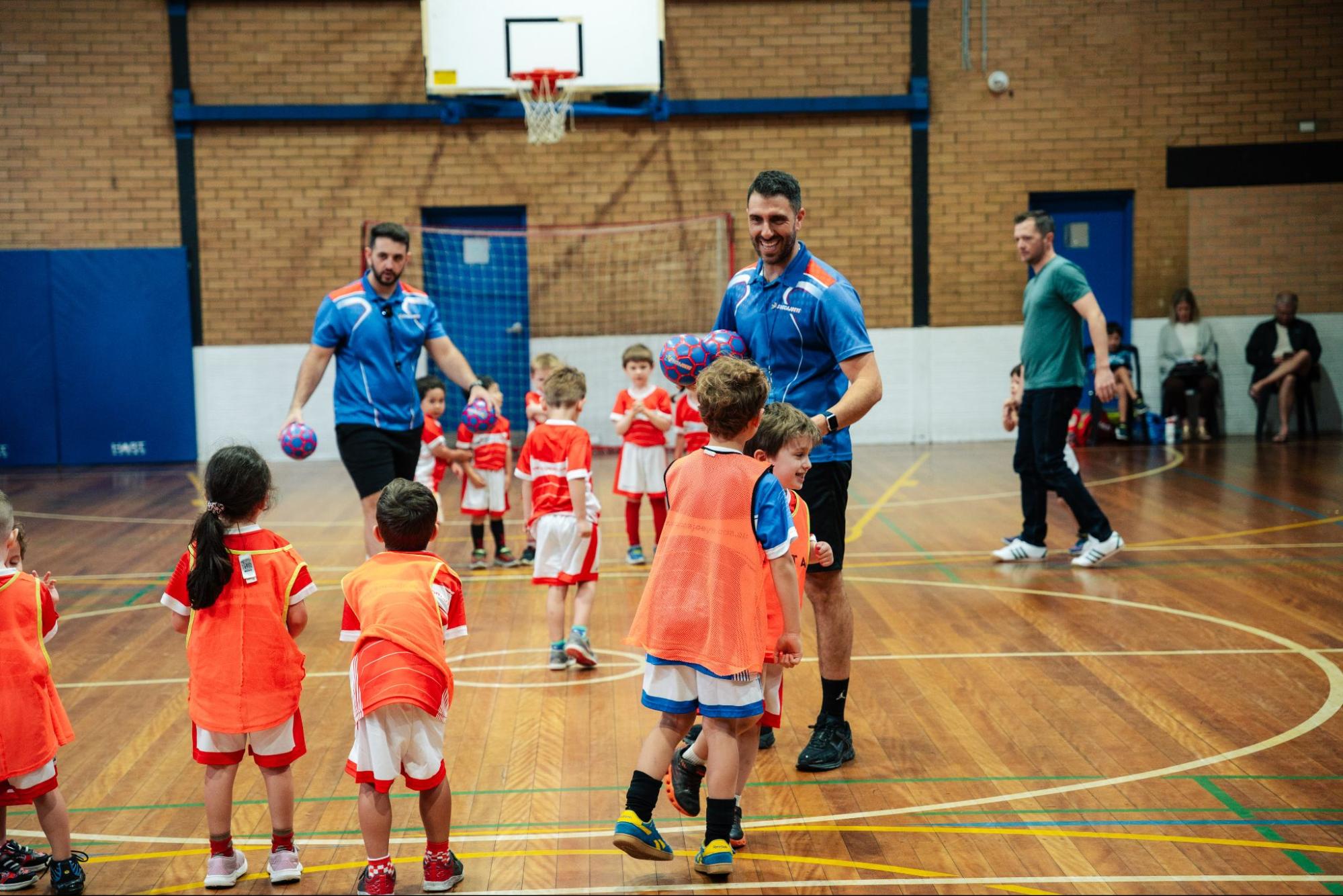
- All branded equipment, apparel and program materials supplied
- Ongoing mentoring and operational support for as long as you run the business
Monthly royalty fees apply and are set out in full during the discovery process.
Available territories
Franchise territories available in Queensland
Territories go to whoever asks first, not whoever asks loudest. Every zone across South East Queensland and beyond is exclusive once it is yours.
- Chermside
- Mount Gravatt
- Springfield
- Robina
- Coomera
- Pimpama
- Caloundra
- Maroochydore
- Yarrabilba
- Ripley Valley
- Toowoomba
- Townsville
The market you would be working in
21,595
Net interstate migration into Queensland, the highest of any state, year to 30 June 2025
2.83M
Residents of Greater Brisbane, at 30 June 2025
691,230
Residents of the Gold Coast local government area, at 30 June 2025
8.8%
Share of Australia's net internal migration captured by the Sunshine Coast, the country's top regional destination, year to March 2026
1,803
Schools across Queensland, at February 2025
3,366
Approved early childhood education and care services in Queensland, at 30 June 2026
Sources: QGSO, Population growth Queensland, June quarter 2025; QGSO, Population growth regional Queensland, 2024 to 25; REIQ, Regional Movers Index; ABS Schools; Queensland ECEC Regulatory Authority, via The Sector.
From first enquiry to first whistle
Six weeks, on average, is what separates a first phone call from a signed agreement, and every one of those weeks is yours to use, not ours to rush.
1
Get the guide
Start with the free Guide to Franchise Success. It exists so you can rule yourself out before you rule yourself in.
2
Talk to the team
A call with the franchise team covers the commercial detail and which Queensland zones are still available.
3
Discovery day
Spend a morning on the sideline while an existing franchisee runs a real session, then ask them whatever you could not ask us.
4
Onboarding
Five days of training, a launch campaign built around your territory, and then your first Queensland session, on the grass, for real.
Extensive support and training
Be in business for yourself, not by yourself
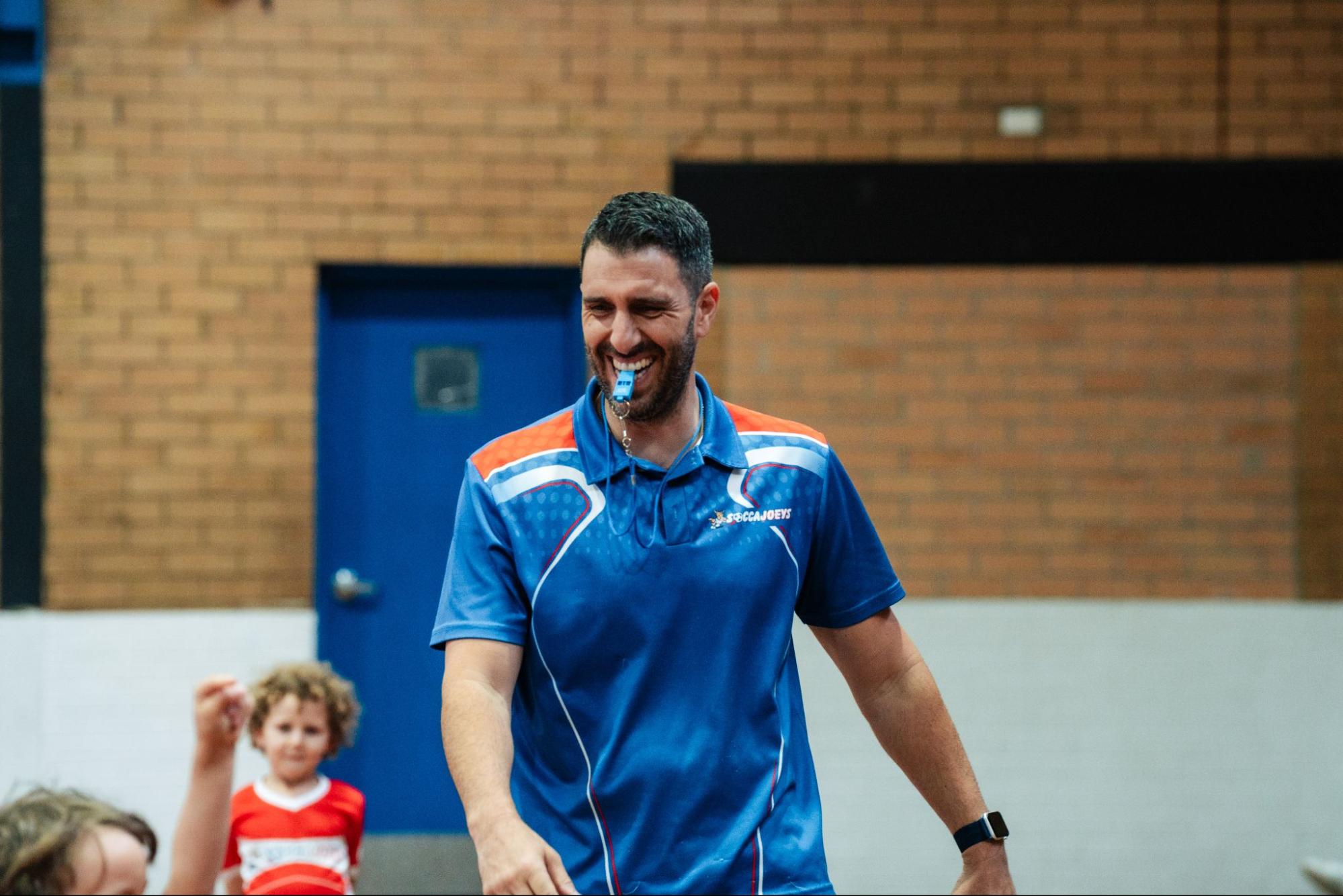
There is no typical Soccajoeys franchisee. Former teachers run territories alongside former footballers, corporate escapees and parents who only just relocated to Queensland. What the system assumes is motivation, not a particular résumé.
Business consulting and mentoring
- Round-the-clock mentoring, so the confidence you build covers running the business, not only coaching the sessions.
- Leadership and business-development training from our Operations Specialists team as your territory grows.
- A five-day onboarding program that walks through every part of the business before you launch.
- Direct access to established franchisees who help you expand your program portfolio at each stage of growth.
Marketing
- Social media, digital advertising and content production handled centrally, so your name appears online without you producing it.
- Launch and ongoing materials you can customise with your own local detail, no design brief required.
- An in-house graphic designer on call for anything bespoke, from a brochure to a car wrap.
- A marketing department led by an experienced professional, building the national brand while backing your local patch.
Operations
- A curriculum reviewed and updated every quarter by our own operations team, so your coaches are never working from last year's playbook.
- Parent sign-up and payment handled through a purpose-built enrolment system.
- Confirmation emails, newsletters, alerts and notifications running automatically through a custom communications portal.
- Equipment, apparel and branded prizes sourced and shipped, so none of it falls on you to find.
Community and partnerships
- A partnership with the Next Step Foundation that funds free soccer programs for children with disabilities, run by franchisees in their own territories.
- Monthly sessions where the wider franchise network trades what is actually working, through shared online hubs.
- A standing voice in marketing, technology and strategic decisions, because the network running the sessions should help shape the system.
Franchisee FAQs
Queensland, answered
Something not covered here? Call the franchise team on 1300 781 735.
Is Queensland too hot for outdoor kids soccer programs?
Queensland families are accustomed to outdoor activity year-round. Sessions are scheduled during the cooler parts of the day, mornings and late afternoons, with shaded park areas and indoor options for extreme heat days. The climate is an advantage, not a barrier.
Are there already kids soccer franchises in Queensland?
Yes, operators including Grasshopper Soccer run programs in Queensland. Soccajoeys differentiates through its development-focused curriculum, its national brand recognition and its multi-program revenue model. The market is large enough for quality operators, and much of Queensland remains underserved.
How quickly do Queensland franchisees typically build their business?
Queensland's growth demographics and year-round operating season mean new franchisees can build momentum quickly. Most begin earning within weeks of completing training, with growth accelerating through school partnerships and word of mouth.
Can I start with just the Gold Coast or Sunshine Coast?
Yes. Territories are location-specific. You can choose a Gold Coast zone, a Sunshine Coast zone, or a Brisbane area based on where you live and want to operate.
What makes Soccajoeys a kids empowerment franchise rather than a coaching clinic?
The curriculum is written by childhood development and sports education specialists, and it develops the whole child: motor skills, emotional regulation, social interaction and confidence, using soccer as the medium rather than the destination.
What if I want to expand to multiple Queensland territories later?
Multi-territory ownership is encouraged. Many franchisees begin with one zone and expand into adjacent areas as their business grows.
Do I need business or coaching experience?
Neither is required up front. Induction training supplies a working knowledge of finance, delivery, recruitment and marketing instead, enough to run the business with confidence from your first week.
Can I speak with current franchisees before I decide?
Absolutely, and we would be surprised if you did not. The recruitment process includes time watching an existing franchisee run a real session, not just hearing about one.
Own a Queensland Soccajoeys franchise
Brisbane, the Gold Coast, the Sunshine Coast and the regions beyond all have territory open right now. Tell us your suburb and what you are bringing to the table, and someone from the franchise team will call you back.
Queensland franchise enquiry
Pop your details and postcode into the form at the top of the page, and someone from the franchise team will call you back.
We will only use your details to discuss franchise opportunities. No obligation, and no pressure.