



There’s a quiet shift happening across Australia.
Teachers—passionate, capable, deeply committed professionals—are stepping away from the classroom. Not because they’ve lost their love for working with children, but because the system around them has become increasingly difficult to sustain.
In fact, up to 50% of teachers leave the profession within their first five years, driven by burnout, workload, and lack of support.
And many are asking:
“What other jobs can teachers do in Australia?”
What’s becoming clear is that the answer isn’t always about starting over.
Sometimes, it’s about moving into a role that still values the same strengths. Just in a healthier, more sustainable environment.
For many, that path is emerging in an unexpected place:
Why Teachers Are Leaving the Profession
Before looking at where teachers are going, it’s important to understand why teachers quit:
The reasons are consistent, and growing:
- Intensified workload and burnout Administrative tasks, reporting requirements, and data entry have steadily increased, pulling teachers away from actual teaching.
- Student behaviour and classroom challenges Managing complex behavioural needs can be emotionally draining and, in some cases, unsafe.
- Lack of leadership support Poor school culture or limited support from administration can amplify stress.
- Poor work-life balance Long hours, weekend planning, and after-hours responsibilities leave little time to recharge.
- Low recognition and limited reward Many teachers feel their expertise is undervalued.
The result is clear: capable educators are reaching a point where the role is no longer sustainable.
Do School Teachers Make the Best Soccer Coaches?
Have you considered coaching soccer?
It might sound surprising, but there’s a strong case that school teachers make great soccer coaches. Many of the core skills that define a great teacher translate directly into coaching.
Here we break down the reasons why kids soccer coach is becoming a growing job for ex teachers in Australia for those who want to change careers from teaching.
They Understand How People Learn
Teachers are trained to break down complex ideas into simple, engaging steps.
That’s exactly what coaching is.
Whether it’s teaching a child how to dribble or how to work as part of a team, the process is the same: demonstrate, guide, encourage, repeat.
They Communicate Effectively
Great coaches don’t just instruct, they connect.
Teachers already know how to:
- Build rapport with children
- Communicate clearly with parents
- Adapt their message for different personalities
This ability is critical in kids’ sports, where confidence and enjoyment matter just as much as skill.
They Create Structure and Consistency
Lesson planning and session planning are remarkably similar.
Teachers bring:
- Organisation
- Routine
- Clear progression
All of which help children feel safe, supported, and ready to learn.
They Focus on the Whole Child
A great coach isn’t just developing players.
They’re developing:
- Confidence
- Resilience
- Social skills
The best kids’ coaches combine passion for the sport, a love of working with children, and strong communication skills, creating an environment where kids can learn, have fun, and grow without fear.
From Teacher to Soccer Coach: A Natural Career Pivot
When you break it down, the transition is more familiar than it first appears:
| Teaching | Coaching |
| Lesson planning | Training sessions |
| Classroom management | Team management |
| Student development | Player development |
| Parent communication | Parent engagement |
It’s not a complete career change, it’s a shift in environment.
Why Kids’ Soccer Is the Ideal Ex-Teacher Career Path
If you’re considering life after teaching, not every alternative career will feel like a natural fit.
Kids’ soccer stands out for a few key reasons.
Familiar Environment
You’re still working with children; guiding, mentoring, and supporting their development.
Immediate Impact
- A child learns a new skill
- Gains confidence
- Engages more
- Improves week by week
A Positive, Energising Setting
Instead of:
- Sitting at a desk
- Managing behaviour in confined spaces
- Moving
- Playing
- Creating a fun, active environment
Structured Programs (Without the Admin Overload)
With structured programs like Soccajoeys, you’re not creating everything from scratch.
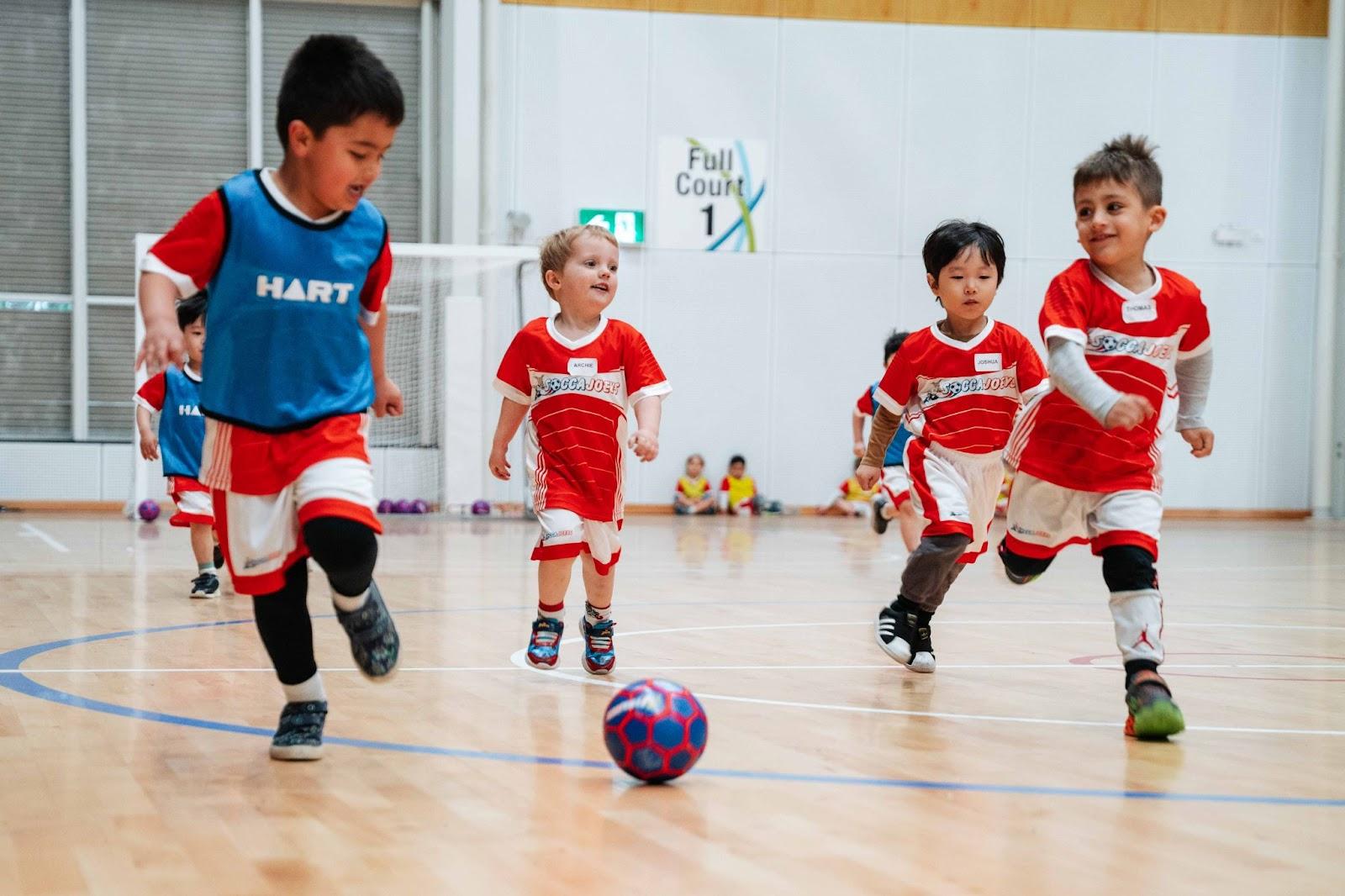
There’s a clear framework designed specifically for children aged 2.5 to 11, focused on development rather than pressure or performance.
The Lifestyle Shift Teachers Are Looking For
One of the biggest drivers behind leaving teaching obviously isn’t just the work: it’s the lifestyle.
Teaching often involves:
- Evenings spent planning
- Weekends catching up on admin
- Ongoing mental load
Coaching offers a different rhythm:
- More flexible hours
- Clearer boundaries between work and home
- A more active and enjoyable day-to-day
It’s not about doing less but about working in a way that feels sustainable.
How to Be a Great Soccer Coach (Even Without a Pro Background)
A common misconception is that you need elite playing experience to become a great coach.
In reality, the most important qualities are already familiar to teachers.
To become a great soccer coach:
- Use your ability to teach and guide learning
- Focus on enjoyment and development
- Learn the fundamentals of the game
- Communicate clearly and positively
- Bring energy, patience, and consistency
Great coaching is less about how well you played, and more about how well you help others improve.
Ready for a Fresh Start? Here’s What Your Next Step Could Look Like
If you’ve found yourself nodding along while reading this, you’re not alone.
Across Australia, more teachers are starting to question whether the classroom is still the right place for them; not because they’ve lost their passion for working with children, but because the conditions around that work have changed. The long hours, constant admin, and emotional load can make even the most dedicated educators feel stretched too thin.
What many don’t realise is that there are pathways where those same skills—communication, leadership, patience, and the ability to inspire—are not only valued, but thrive in a different kind of environment.
Soccajoeys offers one of those pathways.
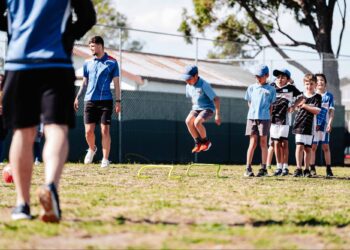
For teachers who aren’t quite ready to make a full career leap, starting as a kids soccer coach can be a natural and refreshing transition. Coaching sessions are structured, engaging, and focused on development rather than pressure. You’re still working with children, still guiding their growth, but in a setting that’s active, positive, and far removed from the stress of the classroom.
You can explore what that looks like and see current opportunities on the Soccajoeys employment page, where roles are designed to be flexible and supportive, especially for those coming from education backgrounds.
For others, the thought of change goes deeper.
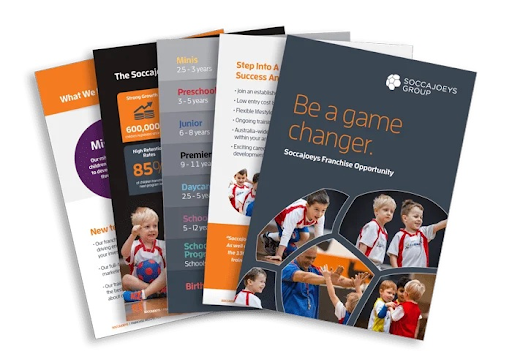
If you’re not just looking for a new role, but a new direction entirely, there’s also the opportunity to build something of your own. The Soccajoeys kids soccer franchise model is designed for people who want to stay connected to working with children while creating a business that fits around their life and not the other way around. It’s a chance to take everything you’ve learned as a teacher and apply it in a more flexible, scalable way, with the backing of an established brand and proven systems.
What makes both of these options compelling isn’t just the change in work—it’s the change in how that work feels.
Instead of finishing the day drained, many coaches describe feeling energised. Instead of juggling endless administrative tasks, your focus shifts back to what drew you into teaching in the first place: helping children grow in confidence, ability, and enjoyment. The environment is different, but the impact is just as real.
And importantly, you don’t need to have all the answers right away.
Some teachers start by coaching a few sessions a week, testing the waters and seeing how it feels. Others decide they’re ready for a bigger shift and explore what it means to run their own program in their local community. Both paths are valid, and both start from the same place—recognising that your skills are transferable, valuable, and in demand beyond the classroom.
The real question isn’t whether you’re capable of making the transition.
It’s whether you’re ready to explore what life after teaching could look like when it’s built around flexibility, purpose, and a healthier balance.
Because sometimes, the next step forward isn’t about leaving everything behind.
It’s about finding a better environment to do what you already do best.