


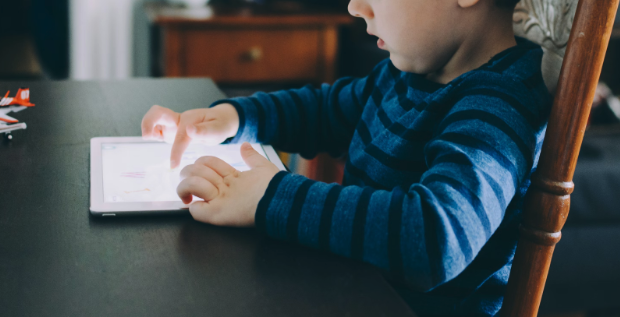
If you’re reading this, chances are you’ve caught yourself saying “just five more minutes” to your child’s screen request, only to look up an hour later and wonder where the time went. You’re not alone. Australian kids now spend over 20 hours weekly on screens, with 90% of children using mobile phones regularly. As parents, we’re navigating uncharted territory that our own parents never had to face.
But here’s the good news: there are engaging, developmentally beneficial alternatives that kids actually enjoy. And one of the best? Indoor soccer.
The Real Dangers of Excessive Screen Time

Before we dive into solutions, let’s talk about what excessive screen time is actually doing to our children. By ages 12-13, Australian kids are averaging over 3 hours of screen time per weekday, that’s up to 30% of their waking hours spent staring at a device.
Physical Health Effects
The physical impacts are showing up in doctors’ offices across Australia:
Eye Health Concerns: Children are experiencing headaches, migraines, blurry vision, and even myopia (nearsightedness) at alarming rates. Optometrists are reporting increases in childhood myopia linked to prolonged close-up screen use.
Other Physical Symptoms: Dizziness, nausea, and general physical discomfort are becoming more common complaints from screen-heavy kids.
Cognitive and Mental Health Impact
What does excessive screen time do to your child’s brain? Research shows concerning effects on attention span and focus. Kids who spend hours on screens often struggle to concentrate on tasks that require sustained attention—like homework, reading, or even having a conversation at the dinner table.
The mental health implications are equally worrying, with increased anxiety and reduced social skills development among children who spend more time with screens than with peers.
How Many Hours Is Excessive?
According to Australian government guidelines, children under 2 should have no screen time at all. For ages 2-5, the maximum recommended is just 1 hour per day. Yet less than 25% of families worldwide actually meet these guidelines.
Is Your Child Addicted to Screens?
If this is a question you have been asking yourself, you may already know the answer.
Ask yourself: Does your child have meltdowns when screen time ends? Do they sneak devices? Have they lost interest in activities they once loved? These could be signs of screen dependency.
Why “Just Go Outside” Isn’t Always the Answer
As 80s and 90s kids ourselves, our first instinct might be to channel our parents and simply say “go play outside!” We remember those endless summer days of neighbourhood cricket, riding bikes until the streetlights came on, and coming home only when we were hungry.
But today’s parenting reality is different.
Safety Concerns: Most of us aren’t comfortable sending young children outside unsupervised. The world feels different now, and wandering the neighbourhood alone isn’t something many parents feel safe allowing.
Weather Challenges: Australia’s climate can be brutal. With temperatures regularly soaring over 35°C in summer, outdoor play can actually be dangerous during peak heat hours. Heat stroke and dehydration are real risks.
Supervision Fatigue: While joining your child outside is wonderful, the reality is that constantly managing outdoor activities can be exhausting. You can’t always be the entertainment director, referee, and safety monitor all at once.
Limited Outdoor Spaces: Not every family has a backyard. And while playgrounds are great, monitoring perimeters and keeping an eye out for potential safety concerns can create anxiety rather than relaxation.
Screen-Free Alternatives That Work
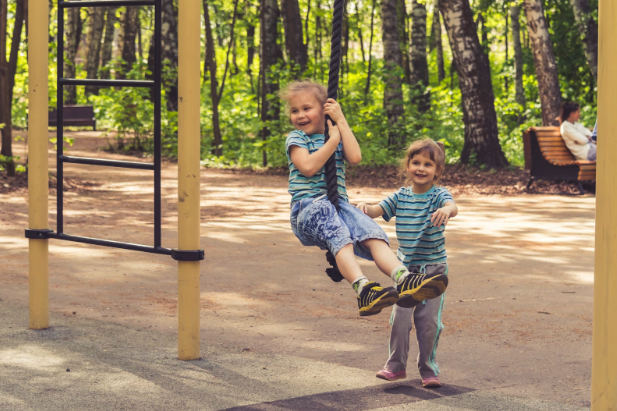
Here are some activities that can help reduce screen dependency:
Arts and Crafts: Painting, drawing, and creating engage fine motor skills and creativity. Set up a dedicated craft corner to make it easy to dive in.
Nature Walks: Even short walks help children connect with the environment and burn energy. Time in green spaces has been shown to improve wellbeing and can reduce screen time by up to 30%.
Books: Reading builds literacy, imagination, and attention span—everything screens diminish.
Pretend Play: Imaginative play is crucial for cognitive development and social skills.
Biking and Playground Time: When weather permits, these classic activities still work wonders.
Outdoor Sports: Team sports offer physical activity and social connection, though they come with the weather and supervision challenges we mentioned.
Indoor Sports: This is where the magic happens.
Why Indoor Soccer Is the Ultimate Screen-Time Alternative
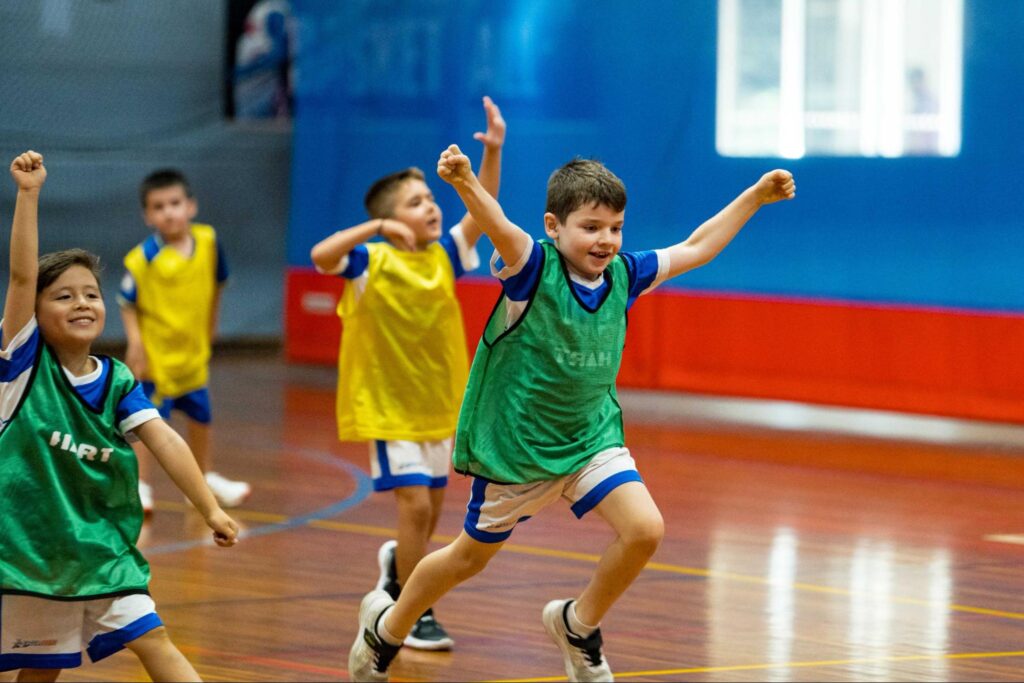
The ultimate screen-time alternative for play? Indoor soccer.
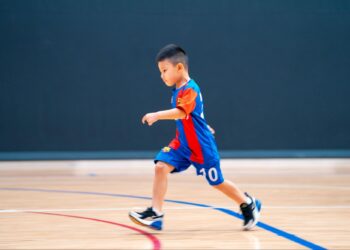
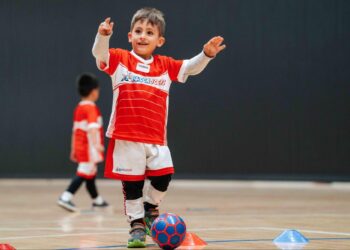
Indoor soccer, also known as futsal, is rapidly becoming the go-to choice for Australian parents who want their kids active, engaged, and developing crucial life skills, all while staying comfortable and safe.
It’s one of the most popular choices for kids indoor sports.
It’s Comfortable, No Matter the Weather
Climate-Controlled Environment: Air-conditioned facilities mean kids and parents stay cool and comfortable regardless of the scorching heat outside. No more cancellations due to extreme weather. No more worrying about heat stroke or sunburn. Just consistent, comfortable play.
Safe Facilities for Kids
Secure, Supervised Space: The four walls of an indoor facility create a naturally contained environment. You can relax knowing your child can’t wander off. There’s no need to constantly scan the perimeter for strangers or worry about shady characters in the background. Indoor facilities offer peace of mind that open playgrounds sometimes can’t.
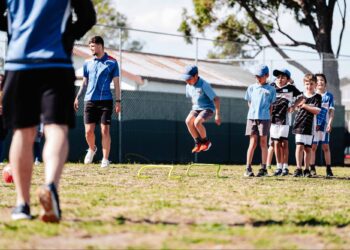
Professional Supervision: Programs like Soccajoeys provide trained coaches who manage the activities, teach skills, and keep kids engaged. You’re not alone in the entertainment and supervision department.
There are a lot of Brain Development Benefits for Kids
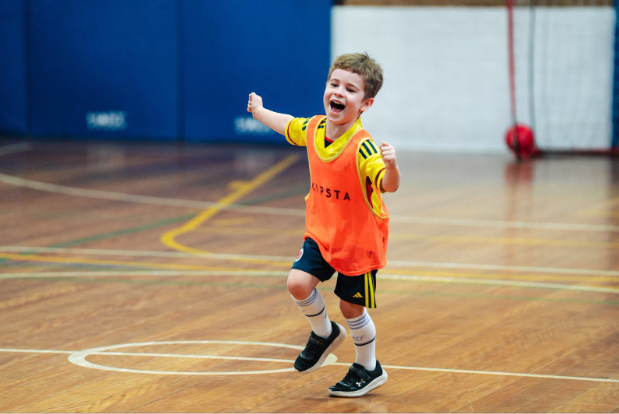
Indoor soccer nurtures every aspect of child development that excessive screen time undermines:
Cognitive Skills: Soccer requires quick thinking, spatial awareness, and strategic planning. Kids learn to read the game, anticipate moves, and make split-second decisions, skills that directly counter the passive consumption of screen time.
Social Skills: Team sports teach children how to communicate, cooperate, and resolve conflicts. They learn to share, take turns, and work together toward common goals. These are precisely the social skills that suffer when kids interact primarily through screens.
Motor Skills: Running, kicking, dribbling, and coordination all develop through soccer. Fine and gross motor skills improve dramatically, counteracting the sedentary nature of screen time.
Emotional Resilience: Soccer teaches persistence, perseverance, and how to handle both success and failure gracefully. Kids learn good sportsmanship, how to win humbly and lose with dignity. They discover that improvement comes through practice and that mistakes are part of learning.
A Place to Shine: Every child is different. For kids who struggle academically or socially, sports can be where they discover their strengths and build confidence. Indoor soccer gives children a space to excel, to be seen, and to feel proud of themselves.
What Role Do Parents Play in Kids Soccer?
Kids’ indoor soccer still requires supervision, but you’re not leading the activity. You also don’t need to be a sports expert to support your child while they enjoy indoor soccer.
Your role is to:
Provide Positive Support: Focus on effort and enjoyment rather than winning. Praise your child and their teammates for trying their best, for creative plays, and for helping each other.
Make It Fun: Keep the emphasis on fun, activity, and giving it a try. When sport becomes about pressure and performance, kids lose interest.
Model Good Sportsmanship: Your behaviour on the sidelines matters. Positive comments encourage kids; criticism shuts them down. Never abuse a player, coach, referee, or the other team. Your child is watching how you react.
Help Them Feel Safe: Consistent attendance, encouragement, and being present (both physically and emotionally) help your child feel secure enough to take risks, try new skills, and push themselves.
Making the Switch: From Screens to Soccer
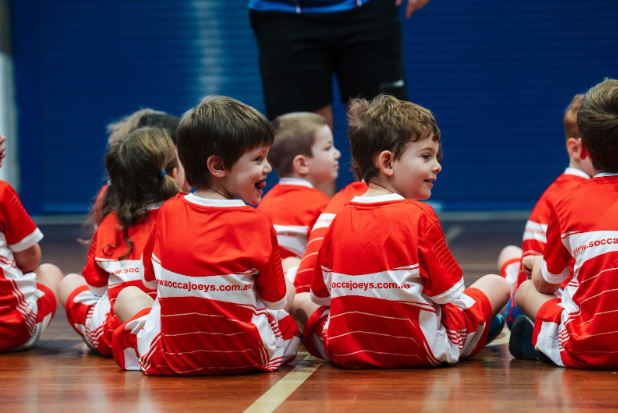
Going “cold turkey” with screens rarely works and often backfires with spectacular meltdowns. Instead, introduce indoor soccer as an exciting alternative rather than a punishment or replacement.
Start by enrolling in a trial session at Soccajoeys. Let your child experience the fun, the movement, and the social connection firsthand. Many kids who resist giving up screen time become the ones begging to go to soccer practice.
Gradually adjust screen time boundaries as soccer becomes part of your routine. “After soccer” can become the new “after this episode” as the structure of sports schedules naturally creates healthier boundaries.
The Bottom Line
Australia’s children currently receive a D- grade for physical activity, with only 1 in 10 kids aged 3-5 getting the recommended amount of energetic play. Meanwhile, screen time continues to climb.
Indoor soccer offers a comprehensive solution: it’s safe, comfortable, developmentally beneficial, and genuinely fun. It addresses the physical health concerns of excessive screen time while building cognitive, social, and emotional skills. It gives parents peace of mind and gives children a place to grow, challenge themselves, and shine.
The kids glued to screens today could be the confident, coordinated, team-oriented athletes of tomorrow. Sometimes the best alternative to screen time isn’t just about what you take away, it’s about what you offer instead.
Ready to give your child a healthy, engaging alternative to screens? Find a Soccajoeys program near you and watch your child discover the joy of movement, teamwork, and play.
Note: As of December 2025, Australian law requires social media platforms to prevent under-16s from having accounts. Now is the perfect time to establish healthy, screen-free activities for your children’s wellbeing and development.