


If your child has ADHD and a whole lot of energy, sport can be one of the best places for it to go. Getting active does not just burn off steam. It can genuinely help with focus, mood and confidence, and it gives kids a place to make friends and feel good about what they can do.
But here is the honest truth: there is no single “best” sport for every child with ADHD. Kids are all different. What lights one child up will bore another to tears. The trick is understanding what tends to work well, and then finding the fit that suits your child.
Here is a friendly guide to help you do exactly that.
Why sport is so good for kids with ADHD
Exercise is one of the most powerful (and most underrated) tools for managing ADHD symptoms. When kids move their bodies, the brain releases dopamine and noradrenaline, the same chemicals that many ADHD medications work on. In plain terms, movement helps the brain settle and focus. Research reviewing dozens of studies has found regular physical activity can meaningfully reduce attention difficulties and other core symptoms.
Regular activity also brings a stack of everyday benefits:
- Better attention, memory and problem solving
- Improved coordination and gross motor skills
- Stronger muscles, bones, heart and lungs
- Better sleep and a healthier body weight
- A hobby and an interest outside of school and home
As you can see, children with ADHD get lots of benefits from sport.
On top of all that, sport gives kids something to be proud of, which matters a lot for children with ADHD whose confidence can often take knocks at school or in social settings.
Team sports or individual sports?
This is usually the first question parents ask, and the answer depends on your child.
Some kids with ADHD thrive in a team. Being part of a group can help them feel accepted, build friendships and lift their self-esteem, especially if they find school tricky. In a team, you also win and lose together, which takes some of the pressure off any one child.
Other kids find busy group settings overwhelming or distracting. For them, an individual sport can be a better starting point, because a coach can give more one-on-one attention and help them focus on one thing at a time.
Neither option is “better.” It comes down to your child’s personality and what they enjoy. And plenty of kids happily do both.
Fast-moving sports vs steady, structured sports
There is another useful way to think about it, and this one really helps.
Researchers often split sports into two groups:
- Open skill sports are fast paced and always changing, like soccer, basketball and hockey. Players constantly react, adapt and make split-second decisions.
- Closed skill sports are steady, predictable and self paced, like swimming, running and gymnastics. The skill stays the same and the child repeats it.
Here is the interesting part. Open skill sports tend to be great for kids who struggle with attention, because the constant action keeps their brain switched on and engaged. Closed skill sports tend to help kids who struggle with hyperactivity and impulsiveness, because the structure and repetition help them practise self control.
So if your child zones out easily, something fast and lively might suit. If your child is always bouncing off the walls, something structured might help them find calm. Many kids need a bit of both.
Great sport options to explore
Here are some sports that often work well for kids with ADHD, and why.
Soccer
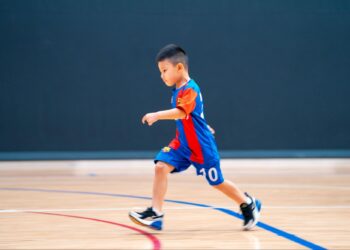
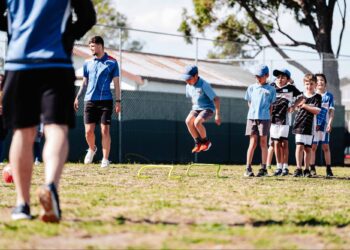
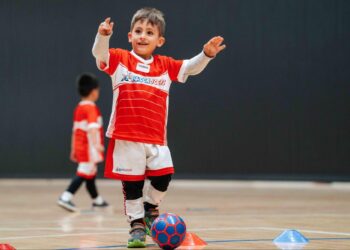
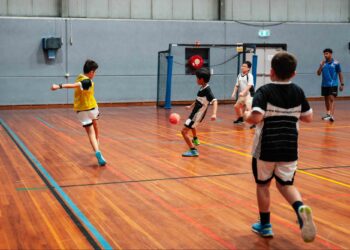
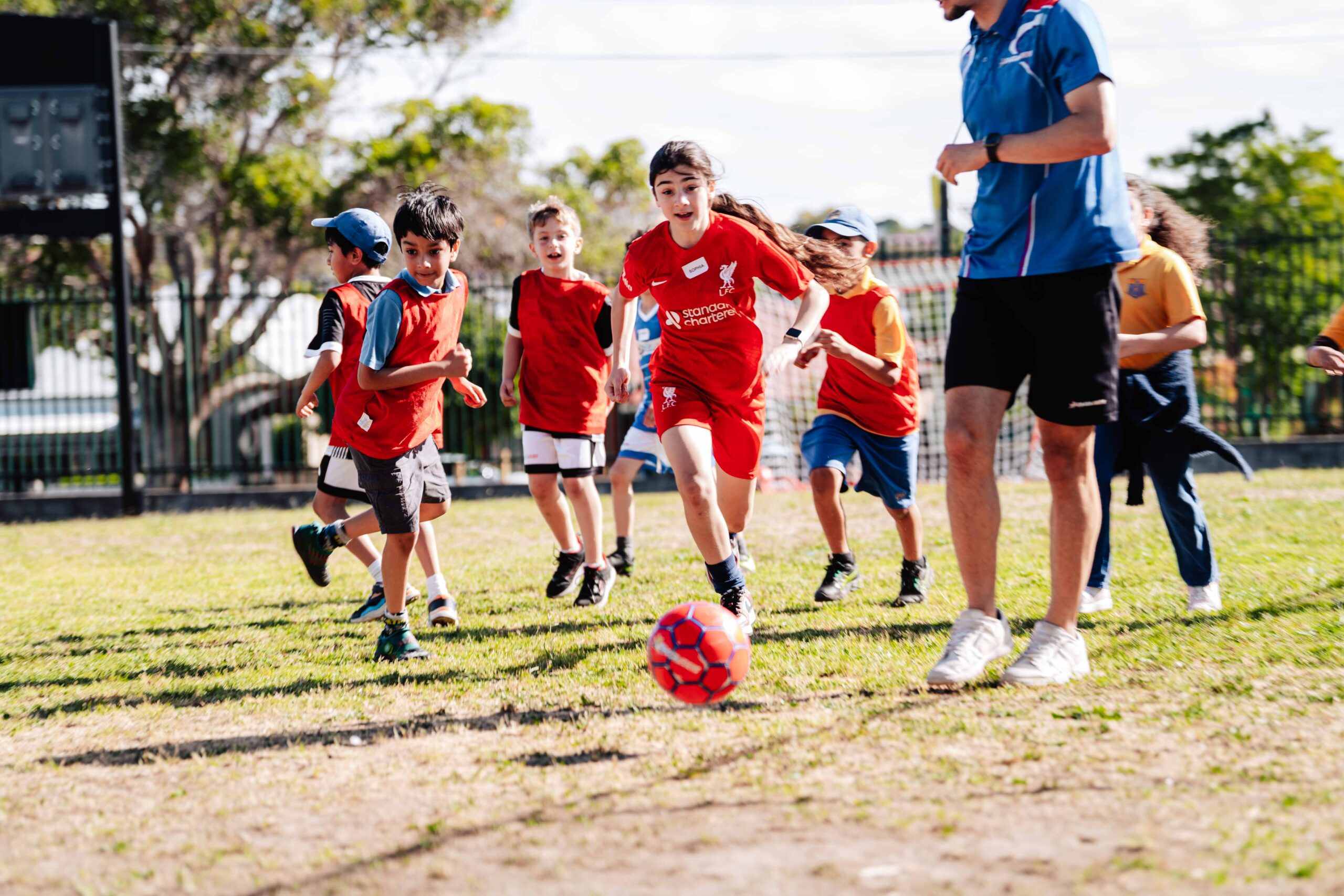
Soccer is a fast-moving team sport with almost constant action, which suits kids who love to keep moving. There is very little standing around, so there are fewer chances to drift off. It builds teamwork, friendships and social skills, and all that running and quick decision making can help with focus and impulse control. It is also easy to start, cheap to play and available almost everywhere in Australia.
Basketball and hockey
Like soccer, these are quick, high-energy team sports with lots of movement and constant involvement. Great for kids who thrive on pace and love being part of the action.
Martial arts
Taekwondo, karate and similar disciplines are brilliant for kids who struggle with impulsivity. Lessons are highly structured, taught step by step, and built around self control, discipline and respect. The clear rules and routines leave few gaps for distraction, and earning belts gives kids a real sense of progress.
Swimming
Swimming offers structure, repetition and a valuable life skill all in one. If a group class is too busy, many coaches offer one-on-one lessons. (Fun fact for the kids: Michael Phelps, the most decorated Olympian of all time, has ADHD and credits swimming with helping him find focus and discipline.)
Gymnastics
Gymnastics builds focus, balance, body awareness and core strength. The equipment and routines are similar to tools used in occupational therapy, which makes it a strong choice for kids who also have sensory needs.
Tennis and racquet sports
Quick, energetic and full of coordination, these are a great outlet for pent-up energy after a long school day. Doubles even adds a dash of teamwork and communication.
Rock climbing and athletics
Climbing rewards focus, problem solving and one-move-at-a-time thinking. Athletics offers plenty of variety (running, jumping, throwing) so easily bored kids stay interested, and children can measure themselves against their own progress rather than always against others.
Tips to set your child up for success
Whatever sport you choose, a few simple things make a big difference:
- Talk to your child first. Explain what to expect, show them clips of the sport, and let them just watch the first session if they feel nervous.
- Talk to the coach. Most coaches know little about ADHD, but a good one will welcome the chat and treat your insights as gold. A supportive coach can make or break the experience.
- Cheer effort, not just results. Focus on how your child is improving and enjoying themselves, rather than winning. Too much pressure to perform can drain the fun and their interest.
- Watch for tiredness. Kids with ADHD can go from full throttle to overtired quickly, and may struggle to wind down afterwards. Give them time to calm before bed.
- Be ready to try and try again. Finding the right fit can take a little trial and error, and that is completely normal. Follow your gut, and do not be afraid to try something new.
For broader strategies beyond sport, the Raising Children Network has practical guidance on supporting a child with ADHD, and a plain-English overview of ADHD in children and teenagers.
So, what is the best sport?
The best sport for a child with ADHD is the one your child actually loves. Every kid is different, and the right fit depends on their personality, their strengths and what makes them want to come back next week.
At Soccajoeys, we have seen so many kids with ADHD, from preschool to older primary school aged kids, absolutely thrive on the soccer field.
The constant movement, the friendships, the little wins each week: for a lot of children, soccer just clicks. It is one of the clearest benefits of playing soccer for kids, and it lines up with what we know about how movement helps kids focus and learn. It is far from the only good option, and we would never claim it is. But it is a wonderful sport, and it is one of the easiest to try.
So if your child has not given soccer a go yet, why not see if it becomes the sport they fall in love with? You might be surprised where it takes them.
See all Locations & Prices to find a class near you
This article is general information only and is not a substitute for medical advice. If you have concerns about your child’s development or ADHD management, please speak with your GP or paediatrician.