Start a kids
soccer franchise
in Tasmania
A national system with a million registrations behind it, ready for a state where reputations travel fast
- Hobart, Launceston and the North-West Coast all open
- Run from your car and your calendar, not from a shopfront
- One owner per zone, and the first to apply chooses first
300+
Locations nationwide
1 Million+
Kids registered since 2008
Is your Tasmanian suburb still open?
Tell us where you live and the franchise team will check which Tasmanian zones are still on offer.
Loading the form…
Your details are used only to talk with you about owning a franchise. There is no cost and no commitment.
Never coached before?
You don't need to. Five days of onboarding covers the coaching and the business.
Worried about the cost?
No premises or fitout, and you see every figure, fees included, before you commit.
Bring Australia’s best-known kids soccer franchise to Tasmanian families
In Tasmania, a good children’s program gets talked about at the school gate in Kingston, the playgroup in Launceston and the footy club in Devonport within a single term. That speed of word of mouth is the reason Soccajoeys is opening its first Tasmanian territories now, while every zone on the island is still available.
Wondering whether a kids soccer franchise works south of Bass Strait? Pull on a jumper, put the kettle on, and we will walk you through it.

Proven demand
1 Million+
Child registrations nationally since 2008

National footprint
300+
Venues across Australia, with Tasmania next
Kids who stay
85%
Progress into the following program as they grow

Parents who talk
95%
Say they would recommend us to another family

18+
years of systems and refinement
10+
programs to build a business on
2.5 to 11
year olds catered for
3
Tasmanian regions open: South, North and North-West
Who it suits
Built for owners who want to be on the grass, not behind a desk
A Soccajoeys territory is a people business first. Parents in a Tasmanian suburb will meet you, not a logo, and the families who sign up in February are the ones whose younger siblings you will be coaching two years later. Owners who enjoy that kind of long relationship tend to thrive here; owners hoping to hand everything to staff from day one usually do not.
Backgrounds vary widely across the network. Some owners arrive from classrooms or early learning centres, others from trades, hospitality or government jobs, and plenty come from mainland cities chasing a slower pace in Hobart or the Tamar Valley. The common thread is energy, patience with small children, and a willingness to follow a tested playbook rather than rewrite it.
Showing up, every term
Families plan their week around your session time. Consistency through the darker months is what turns a first term into a three-year enrolment.
Community roots
In a state this size, the principal, the kinder director and the council events officer often know each other. Becoming a familiar, trusted face opens all three doors at once.
Ready to invest
The outlay is lower than most franchise systems, and the full cost breakdown is shared with you early, so you can test it against your own budget before any commitment.
Why Tasmania
An island that runs on word of mouth
Tasmania is home to more than 576,000 people, and almost 60,000 of them are under ten. It is a market small enough that one well-run Saturday session gets mentioned at three different birthday parties the following week, and large enough to support a full-time business in each of its major regions.
The growth is happening on the edges of its cities. Sorell has grown by around 65% since 2001, Brighton by around 60% and Kingborough by more than 40%, as young families look for space and house prices they can manage. New estates in those areas filled faster than the halls, ovals and programs around them, and that is the opening a Soccajoeys owner steps into.
Yes, Tasmania has a proper winter. The program is built for it: Minis and Preschool classes move into school gyms and community halls from May to August, then spill back onto the ovals when the long summer evenings return and the light lasts past eight o’clock.

Greater Hobart and the Eastern Shore
Clarence alone is home to more than 64,000 people. Bellerive, Howrah, Rokeby and Lauderdale mix established family streets with newer subdivisions toward Sorell.

Kingborough and the Channel
Kingston, Blackmans Bay and Huntingfield form one of the state’s most family-dense corridors, with commuter parents who want a quality weekend activity close to home.

Launceston and the Tamar
More than 71,000 people in the City of Launceston, plus fast-filling Legana and Riverside across the river in West Tamar, add up to a self-contained northern market.

The North-West Coast
Devonport, Latrobe, Ulverstone and Burnie sit within easy driving distance of each other, letting one owner run a circuit of towns that each value a regular local program.
Why being first matters
In a small state, the first trusted name tends to stay the trusted name
Tasmanian parents are loyal. Once a family finds an activity their child loves and a coach they trust, they rarely shop around, and they recommend it to everyone in their circle. That loyalty makes it hard for a late arrival to break in, and very rewarding for whoever establishes the standard first.
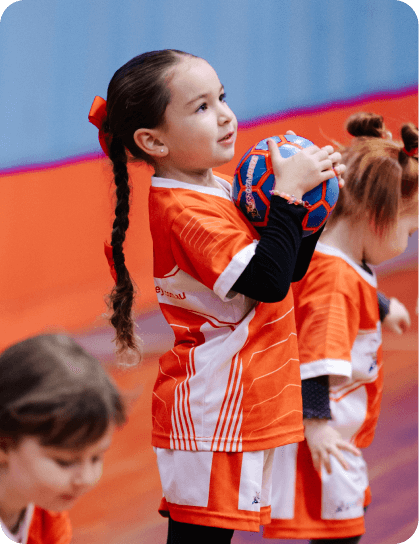
What families get from Soccajoeys is not a junior football clinic. It is a play-based development program, designed by early childhood and sport education specialists, in which a ball is the tool for building coordination, listening, turn-taking and self-belief. Parents of two and three year olds, in particular, are looking for exactly that.
First-mover territory
Tasmania is one of the newest regions in the Soccajoeys network, so the first owners choose from the whole map rather than whatever is left over.
A name newcomers already know
Many young families arriving in Hobart and Launceston come from mainland suburbs where Soccajoeys is a familiar part of weekend life. They go looking for it.
Income that does not hang on one season
Term classes, early learning visits, school sport, holiday programs and parties each pull in a different month, so a wet July does not define your year.
Franchise success stories
Owners on the mainland who started where you are now
None of these franchisees had run a children’s sport business before. Each of them used the same system you would be using in Tasmania, and each found something different in it.

Meet Karlee
Franchise owner, mum of two
Karlee was managing two kids, a job and a calendar that never seemed to have a spare hour. She was not looking for a soccer business so much as a way to set her own timetable, and a franchise that ran in short, predictable sessions gave her exactly that.
Her working week now fits around school pick-up, not the other way round.

Meet Jon
Franchise owner, North Shore
Jon swapped an office career for the sideline and noticed the change in his own energy within weeks. The support, systems and program quality he was promised before signing matched what he found once he started, and his enrolments reflected it.
Two hundred children enrolled inside his first four months.
Ask him today what surprised him most and he points to the other owners: a network of people who share ideas freely because they all want the kids in their communities to do well.

Meet Dimi
Franchise owner, mum and co-owner with her husband
Dimi and her husband launched with two little ones of their own at home, so every hour counted. Rather than working everything out from scratch, they leaned on established franchisees who passed on templates, timetables and tips that had already been tested.
The business gives her family time back while getting other people’s kids moving.

Meet Shane
Early childhood teacher, coach and franchisee, Newcastle
For years Shane split his life in two: weekdays as a qualified early childhood teacher, evenings and weekends developing junior players at the Newcastle Jets. Owning a Soccajoeys territory finally joined those halves together, with him as the business owner rather than someone else’s employee.
Football, teaching and family life, finally in the same diary.

Meet our founder
It began with the kids who were too small to be picked
Back in 2007, founder Stacy Alogdellis kept seeing the same thing at local football on weekends: older children playing, and their little brothers and sisters stuck on the sideline with nothing designed for them. A background split between professional football and running a small business gave Stacy both the coaching insight and the commercial sense to build that missing program.
Nearly twenty years on, with more than a million registrations across Australia, the purpose is unchanged. Every session should help a child grow, and every franchisee should feel properly backed by the business behind them. Tasmania is the next place that promise gets tested.
Giving back
Every child gets a turn, including the ones who usually wait
Children with disability are often the last to be offered a place in a team sport, and their parents notice. Through Soccajoeys’ partnership with the Next Step Foundation, franchisees run free, funded soccer sessions designed so those children can join in properly.
In Tasmanian towns where everyone knows everyone, those sessions matter twice over. They change a child’s week, and they show a whole community what kind of business you are running.
Multiple sources of revenue
How a Soccajoeys franchise in Tasmania earns across all four seasons
A Tasmanian territory works because its income streams peak at different times. Indoor term classes carry the cold months, outdoor programs and holiday camps carry the warm ones, and early learning partnerships keep weekdays busy all year.

01
Term classes
Minis, Preschool, Junior and Premier groups run weekly through each school term, in halls when it is cold and on ovals when it is not. Because most children move up a level, each term starts with families already enrolled.

02
Early learning and schools
Tasmania has 243 approved early childhood education and care services and more than 80,000 school students. Visiting programs inside those settings fill weekday mornings and afternoons, with no venue to hire.

03
Holiday programs
Summer holiday camps make the most of mild days and late sunsets, while shorter winter and spring break programs move indoors and give working parents a dependable option close to home.

04
Parties and local events
Birthday parties, council family days, agricultural shows and community festivals all want a children’s activity provider. In a smaller state, one good event booking often leads straight to the next.
A day in the life
A winter Saturday in Kingborough, wrapped up by lunch
Here is how a typical July weekend runs for an owner south of Hobart. Same curriculum as summer, same three age groups, just under a roof, with the heaters on and the parents holding coffee instead of sunscreen.
During the week
Monday morning at an early learning centre in Huntingfield. A Wednesday afternoon program at a primary school on the Channel. Bookings, newsletters and a chat with a local events organiser slotted in between.
The seasonal switch: from about October, the same timetable moves outdoors to local ovals, and long evenings make after-school sessions easy to add.
8:30
Minis at a Kingston community hall
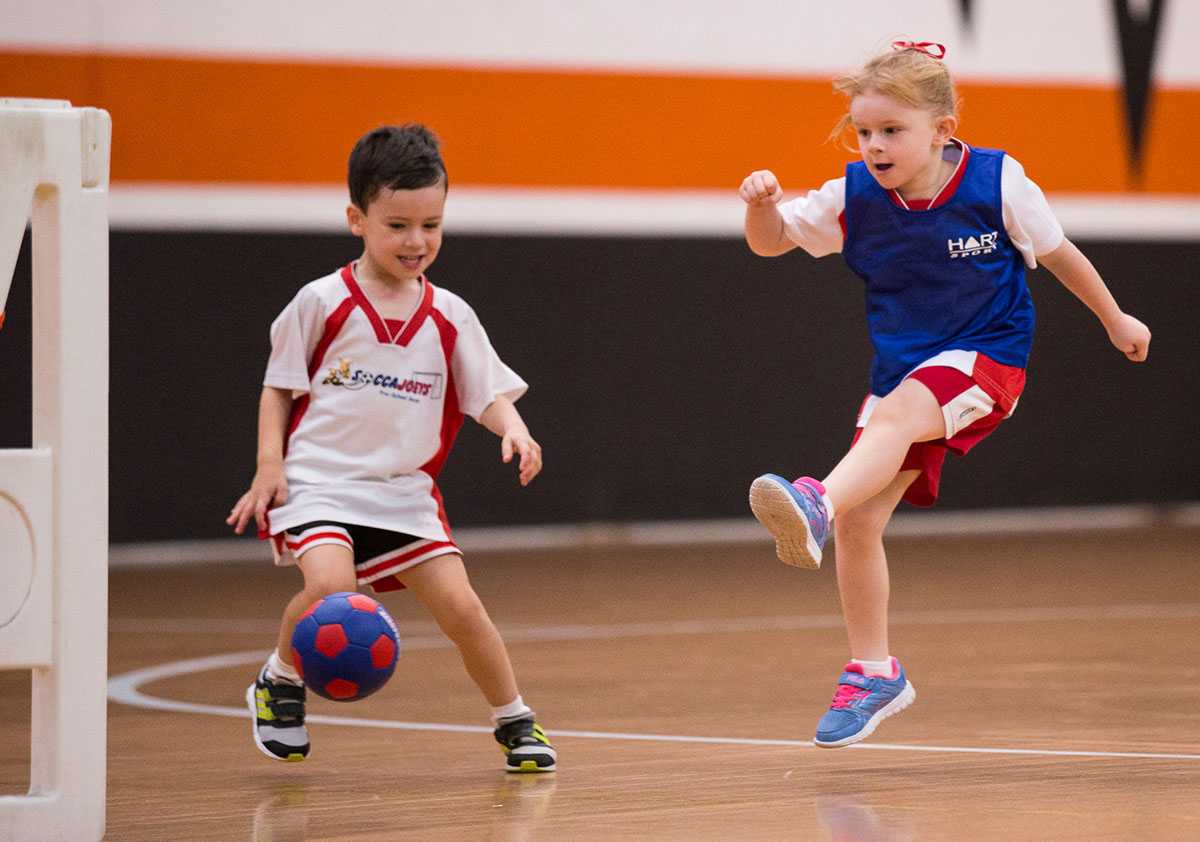
Toddlers and their parents arrive in beanies. Cones go down, music goes on, and the 30-minute session follows your lesson plan step by step.
9:45
Preschool at a Blackmans Bay school gym
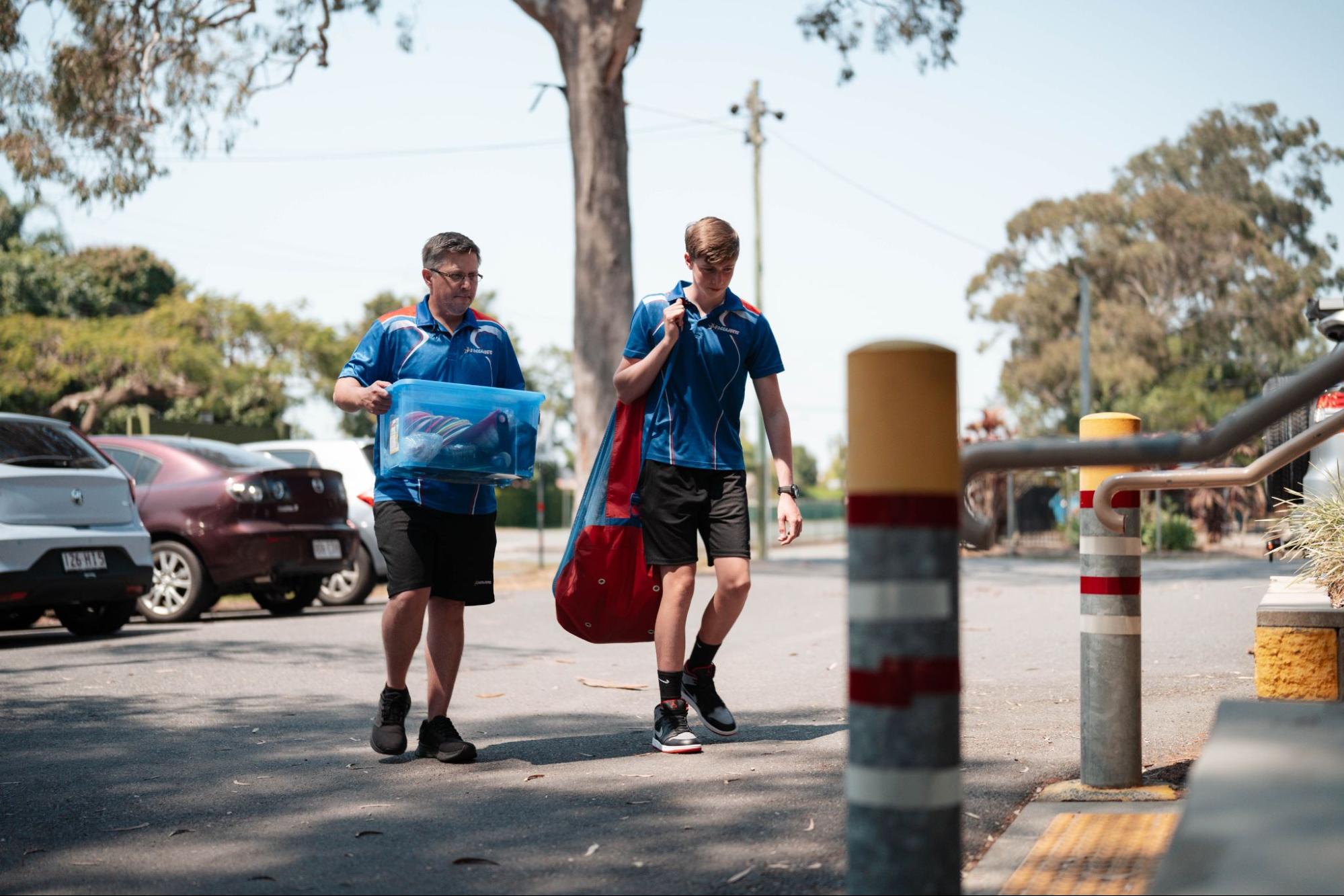
Five minutes along the road. Kit is in the boot and the room is set before the first family walks in.

11:00
Junior session
Six to eight year olds work through ball skills and small team games that build listening and cooperation.
12:00
Packed up and home
Three paid programs finished before lunch. The afternoon is free for your own family, or a walk on kunanyi / Mount Wellington if the weather holds.
Low cost of entry
Know every number before you commit to anything
There is no shop to fit out and no lease tying you to one suburb. Your venue costs follow your bookings, and before you sign you can see the full financials and speak directly with owners already running territories of their own.
Home-based
Run it from home with mobile kit, no shopfront needed
9 to 18 months
Usual payback period on the initial investment

Included in your Tasmanian franchise
- The full Soccajoeys curriculum, refreshed every quarter
- Exclusive rights to your chosen Tasmanian zone
- A five-day onboarding program covering coaching, operations and local marketing
- A launch campaign built for your suburbs and towns
- Online enrolment, payments and parent communication tools, set up and ready
- Branded equipment, uniforms and session resources
- Continuing coaching and business support for the life of your agreement
Ongoing monthly royalties apply. Every fee is itemised for you in writing during discovery, before any agreement.
Available territories
Franchise territories available in Tasmania
Every zone below is open today, and each is exclusive to one owner. With the whole state still available, early applicants can pick the area closest to home, or the one with the most young families.
- Hobart and Sandy Bay
- Glenorchy and Moonah
- Bellerive and Howrah
- Rokeby and Lauderdale
- Kingston and Blackmans Bay
- Sorell and Midway Point
- Brighton and Bridgewater
- Huon Valley
- Launceston
- Legana and West Tamar
- Devonport and Latrobe
- Burnie and Wynyard
All zones open
Tasmania in numbers
576,261
Estimated Tasmanian residents, at 30 June 2025
59,529
Tasmanian children aged 0 to 9, ABS estimate for 2024
80,280
Students enrolled in Tasmanian schools, 2025
243
Approved early childhood education and care services, at 31 December 2025
+65%
Population growth in Sorell municipality, 2001 to 2025
41,628
Residents of Kingborough, up 42% since 2001, at 30 June 2025
Just a few steps to freedom
Four steps from curious to coaching in Tasmania
Most people take around six weeks to go from a first conversation to a signed agreement. You set the pace, and you can step away at any point along the way.
1
Read the guide
Start by reading our free Guide to Franchise Success, then decide honestly whether the lifestyle and the numbers suit you.
2
Have the first call
Talk through costs, timing and which Tasmanian zones fit where you live, with no obligation on either side.
3
See a real session
Watch an experienced franchisee run a class from start to finish, then put your toughest questions to them directly.
4
Launch
Complete onboarding, switch on your launch campaign, and run your first session for Tasmanian families.
Extensive support and training
Running your own island business, with a national team behind you
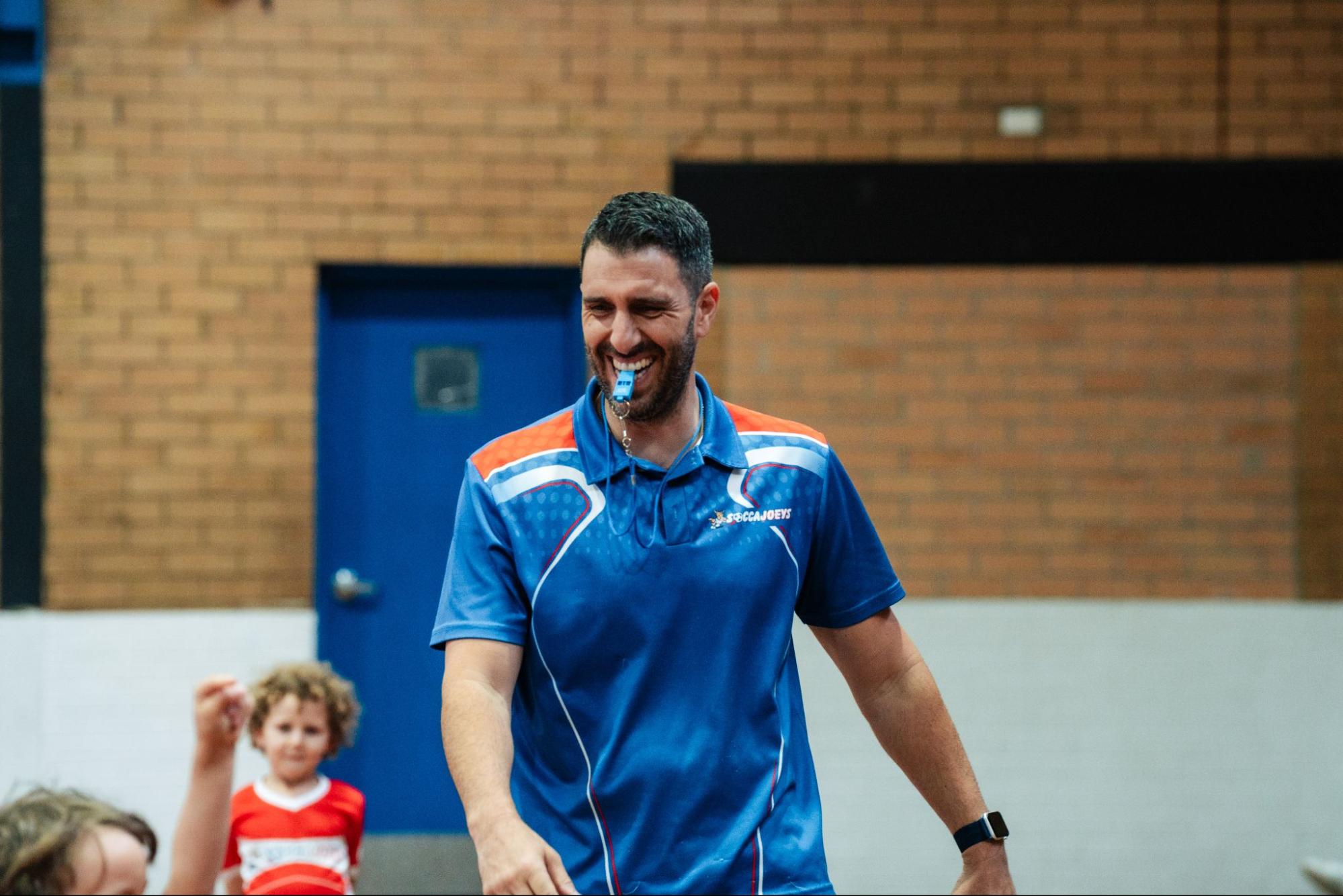
Opening one of the first territories in a new state can feel like going it alone. It is not. Every Tasmanian owner plugs straight into the same head office, tools and peer network that support franchisees across the mainland.
Business mentoring
- One-on-one mentoring whenever you need it, covering cash flow and planning as well as coaching.
- Growth and leadership training from the Operations Specialists team as your client base builds.
- Five days of onboarding before your first session, so nothing on launch day is unfamiliar.
- Introductions to experienced owners who have already added schools, centres and camps to their mix.
Marketing
- National social, digital and content campaigns that put your local sessions in front of nearby parents.
- Ready-made templates for flyers, posts and banners that only need your suburbs and times added.
- Access to an in-house designer for one-off pieces, from a school newsletter ad to vehicle signage.
- A dedicated marketing team growing brand awareness in Tasmania while you focus on families.
Operations
- Lesson plans revised every quarter, so each term feels fresh for returning children.
- An online enrolment and payment platform built specifically for the program.
- Automated reminders, receipts and newsletters, so parents stay informed without extra admin.
- Kit, uniforms and reward items ordered and delivered, even across Bass Strait.
Community and network
- Next Step Foundation funding for free inclusive sessions you deliver in your own area.
- Regular online catch-ups where owners swap what is filling classes right now.
- A real say in marketing, technology and strategy through franchisee input channels.
Franchisee FAQs
Tasmania, answered
Got a question we have not covered? Ring us on 1300 781 735.
Does the Tasmanian winter shut sessions down?
No. From roughly May to August, classes move into school gyms, community halls and indoor centres, and the curriculum runs exactly the same. You will be shown how to book reliable indoor venues during onboarding.
Is Tasmania’s population big enough to support a franchise?
Yes, when territories are sized sensibly. Zones are drawn around concentrations of young families, such as the Eastern Shore, Kingborough or the Tamar, rather than around a set number of suburbs.
Can I run a territory outside Hobart?
Absolutely. Launceston, the West Tamar, Devonport and Burnie are all open, and regional owners often find schools and councils especially keen for a new, reliable program.
Will I be the only Soccajoeys owner in Tasmania?
Early on, possibly. That gives you first pick of territory and a head start on local relationships, while head office and the mainland network support you the whole way.
How does training work if head office is on the mainland?
Onboarding, travel and timing are planned with you during discovery. After launch, most support happens by phone and video, alongside scheduled check-ins with the operations team.
Do I need a coaching or business background?
Neither is essential. Training covers session delivery, staff recruitment, money management and local marketing, leaving you ready to open with confidence.
Can I add a second Tasmanian territory later?
Many owners expand once their first zone is running smoothly. Being early in Tasmania means neighbouring areas are more likely to still be available when you are ready.
Can I talk to current franchisees before deciding?
Please do. Spending time with working owners, and watching one run a real class, is part of the process rather than an optional extra.
Own a Tasmanian Soccajoeys franchise
The south, the north and the North-West Coast are all open, and the first applicants get first choice. Share where you live and a little about yourself, and someone from our franchise team will phone you to talk it through.
Tasmanian franchise enquiry
Pop your details and postcode into the form at the top of the page, and someone from our franchise team will phone you to talk it through.
Your details are used only to talk with you about owning a franchise. There is no cost and no commitment.
Also expanding in: Queensland, Melbourne, Sydney, Perth, Adelaide, Darwin